

Ahmed Kamel – Egypt Daily News
US President Donald Trump said Monday that the fragile ceasefire with Iran is now on “life support” after Washington rejected Tehran’s latest proposal, sharply escalating fears that the Middle East could slide back into open warfare amid a deepening energy crisis and continued tensions in the Strait of Hormuz.
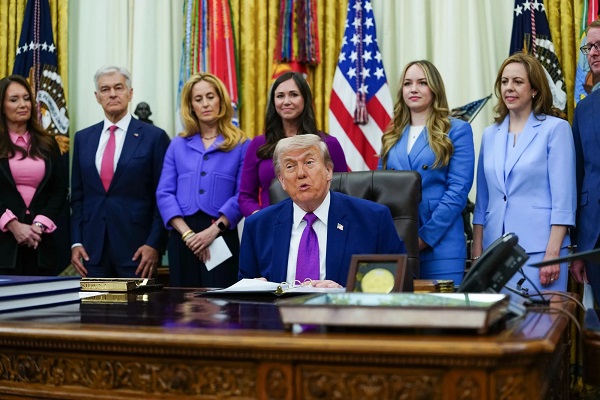
Speaking during an appearance at the White House, Trump described Iran’s latest response as unacceptable and accused Tehran of retreating from previous understandings related to its nuclear program.
“I would call it the weakest right now after reading that piece of garbage they sent us,” Trump said, adding that he did not even finish reading the proposal before dismissing it.
The latest diplomatic breakdown comes at a critical moment for the region, where maritime tensions, military standoffs, and soaring oil prices are already shaking global markets. The failure to secure a durable agreement threatens to prolong instability across the Gulf while keeping one of the world’s most strategic oil routes under severe pressure.
Trump claimed Iran had earlier signaled willingness to allow the United States to oversee the removal of its highly enriched uranium stockpile, but later abandoned the commitment in its revised proposal.
According to the US president, Washington is demanding not only the transfer of Iran’s enriched uranium but also long-term guarantees that Tehran will never develop nuclear weapons. Iran, however, continues to reject accusations that it seeks nuclear arms, insisting its nuclear activities are entirely peaceful and maintaining what it calls its sovereign right to enrich uranium.
The widening gap between both sides has stalled efforts to formalize a broader ceasefire arrangement that would reopen the Strait of Hormuz and ease the mounting economic fallout from the conflict.
Global energy markets reacted nervously to the escalating rhetoric, with oil prices remaining elevated as traders fear continued disruptions to Gulf shipping lanes. The Strait of Hormuz, through which a major share of the world’s oil exports passes daily, has remained under severe restrictions since the conflict intensified.
In an attempt to soften the economic impact at home, Trump said his administration is considering suspending the federal gasoline tax to help Americans cope with rising fuel prices linked to the regional crisis.
The White House is also expected to intensify diplomatic pressure on China during Trump’s upcoming visit to Beijing, where he is expected to urge President Xi Jinping to use China’s economic influence over Tehran to push for concessions. China remains the largest buyer of sanctioned Iranian oil, giving Beijing significant leverage in the ongoing standoff.
Despite behind-the-scenes mediation efforts, major disagreements continue to block any breakthrough. Regional officials familiar with the negotiations say Iran has proposed diluting part of its highly enriched uranium stockpile while transferring the remainder to a third country, potentially Russia.
Washington, however, reportedly insists on the complete removal of the nuclear material and is resisting broader Iranian demands tied to regional security and maritime control.
Iran’s latest proposal reportedly includes sweeping conditions, including recognition of its authority over the Strait of Hormuz, the lifting of sanctions, the release of frozen Iranian assets abroad, and financial reparations linked to the conflict.
The proposal has alarmed Western officials and maritime experts, many of whom argue that recognizing Iranian control over the strait would violate international navigation laws and fundamentally alter the balance of power in one of the world’s most sensitive waterways.
Meanwhile, indirect diplomatic efforts led by Pakistan continue behind the scenes. Regional diplomats say Islamabad is working with several Middle Eastern governments to draft a memorandum aimed at halting the conflict and opening broader negotiations between Tehran and Washington.
But with Israel and Lebanon’s Hezbollah continuing to exchange fire despite earlier ceasefire understandings, and both Washington and Tehran hardening their positions, prospects for a stable agreement appear increasingly uncertain.
Iranian Foreign Ministry spokesman Esmail Baghaei insisted Monday that Tehran is not seeking concessions but rather what it considers its “legitimate rights,” while accusing the United States of maintaining “unreasonable demands” and one-sided conditions.
As diplomacy weakens and military tensions persist, fears are growing that the region may be entering a prolonged phase of confrontation with global economic consequences extending far beyond the Middle East.
