

Ahmed Kamel – Egypt Daily News
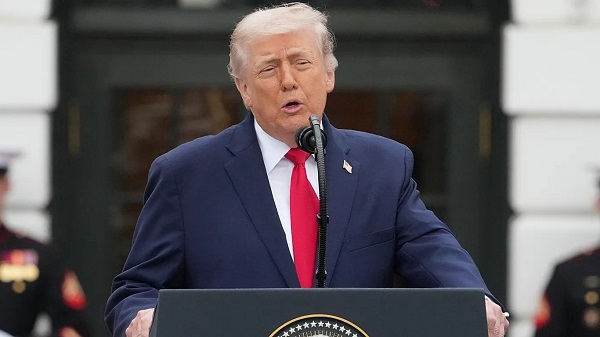
A new phase of escalation is taking shape between Washington and Tehran, as U.S. President Donald Trump moves to tighten pressure on Iran, rejecting a proposed compromise and doubling down on a strategy centered on economic and maritime strangulation.
The White House has dismissed an Iranian offer to reopen the Strait of Hormuz in exchange for easing the blockade, instead insisting that any path forward must begin with concrete concessions on Tehran’s nuclear program. The decision effectively shuts the door on a phased de-escalation and reinforces a hardline approach that prioritizes leverage over diplomacy.
Behind that stance lies a clear calculation: the blockade is working.
Trump has signaled that he sees continued pressure not immediate military action, as the most effective way to force Iran back to negotiations on American terms. But the message is paired with an unmistakable warning: if pressure fails, escalation remains an option.
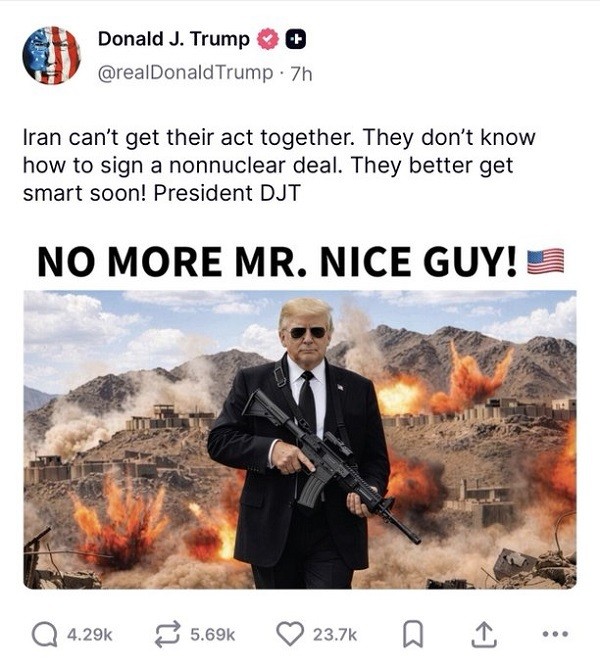
That threat is not theoretical. Military planning is already underway.
According to informed sources, U.S. Central Command has prepared scenarios for rapid strikes targeting key Iranian infrastructure. The goal would not be full-scale war, but a calibrated blow designed to break the current stalemate and reset the negotiating table under pressure.
So far, however, Washington is holding that card in reserve.
A Controlled Escalation
What is emerging is a strategy of controlled escalation, tightening the economic grip while maintaining military readiness in the background.
The blockade itself has become the centerpiece of that approach, with U.S. officials quietly studying how it could be sustained for months if necessary, while limiting the fallout on global energy markets.
That balance is already under strain.
Oil prices have surged sharply amid fears of prolonged disruption in Gulf shipping lanes, underscoring the global stakes of the confrontation. Any further escalation especially involving the Strait of Hormuz, would carry immediate consequences for energy flows and market stability.
Tehran Signals It Won’t Stay Passive
Iran, for its part, is beginning to shift its tone.
Officials in Tehran are warning that continued pressure will not go unanswered, with signals pointing toward a potential “non-traditional” response if the blockade persists. The messaging suggests that Iran is seeking to avoid direct confrontation for now, but is preparing options if pushed further.
At the political level, Iranian leadership is framing the blockade as an attempt to trigger internal fracture, accusing Washington of trying to weaponize economic hardship to destabilize the country from within.
Regional Dimension Intensifies
The situation is also drawing in regional actors.
Contacts between Washington and Israel are intensifying, reflecting a shared concern over Iran’s next move and the possibility of a broader confrontation. At the same time, conflicting signals around high-level visits point to sensitive behind-the-scenes coordination rather than public diplomacy.
The Bigger Picture
What makes this moment particularly volatile is not just the standoff itself, but the narrowing space between pressure and explosion. The United States is betting that sustained economic and strategic pressure will force Iran to bend. Iran, meanwhile, is signaling that it may absorb that pressure—but only up to a point.
Between those two positions lies a fragile line, one where miscalculation could quickly turn a pressure campaign into a wider conflict.
For now, Washington is holding fire.
But the trajectory is clear: the crisis is no longer about whether pressure will increase, it’s about how far each side is willing to go before something breaks.
