

Ahmed Kamel – Egypt Daily News
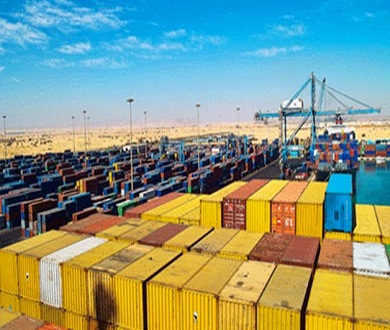
Egypt’s national commodity trade deficit expanded by fifty percent during the first half of the current year to reach twenty-two billion and six-hundred million dollars. Official trade ledger data issued by the Ministry of Investment and Foreign Trade confirmed the negative gap widened dramatically compared to the fifteen-billion-dollar deficit recorded during the same period in 2025.
The multi-billion-dollar trade imbalance was driven by an aggressive twenty-one percent surge in inbound commodity shipments, which climbed to forty-eight billion dollars. Concurrently, national export revenues demonstrated a minor outward trajectory, growing by less than three percent to settle at twenty-five billion and five-hundred million dollars.
Surging Bullion and Wheat Shipments Drive Massive Inbound Commercial Expenditures
Raw and semi-manufactured gold imports topped the list of inbound expenditures, experiencing a massive annual surge of over fifteen-hundred percent to hit four billion dollars. State procurement boards also registered substantial increases in basic food security spending, with foreign wheat acquisition expanding twenty percent to reach two billion dollars.
Inbound spending on foreign passenger cars also registered a ten percent expansion, totaling one-billion and six-hundred million dollars during the six-month period. National financial regulatory authorities attribute the high spending to structural import cost increases across global logistics lines following recent geopolitical disruptions.
Massive Import Shock from Emirates Displaces Traditional Middle Eastern Trade Flows
The People’s Republic of China maintained its long-standing position as Egypt’s top importing partner, expanding its inbound shipments by twenty-five percent to ten-billion and four-hundred million dollars. The substantial industrial volume means Chinese manufactured commodities now command over twenty-one percent of Egypt’s entire foreign import market share.
Concurrently, inbound commercial shipments arriving from the United Arab Emirates recorded the largest single increase among major trading partners, surging over three-hundred percent to five billion dollars. The massive expansion catapulted the Emirates to the second position among top suppliers, representing ten percent of Egypt’s overall import bill.
Saudi Arabia Claims Top Export Slot While Government Targets One Hundred Billion Goal
Saudi Arabia secured the premier position among international markets receiving Egyptian manufactured products, expanding its inbound purchases by sixteen percent to one-billion and seven-hundred million dollars. The sisterly kingdom increased its total consumption share of Egypt’s outbound trade commodities to nearly seven percent of all global shipments.
The United Arab Emirates slipped to the second position on the national export menu, absorbing one-billion and six-hundred million dollars after experiencing a fifty-five percent decline. The state administration continues to pursue its strategic roadmap to scale annual exports to one-hundred billion dollars by 2030 through deeper domestic localization.
