

Ahmed Kamel – Egypt Daily News
Iran has signaled a sharper shift in its regional posture after a senior adviser to Supreme Leader Ali Khamenei announced what he described as the end of Tehran’s “strategic patience,” a phrase that has long defined Iran’s calibrated response to pressure from the United States and its allies.
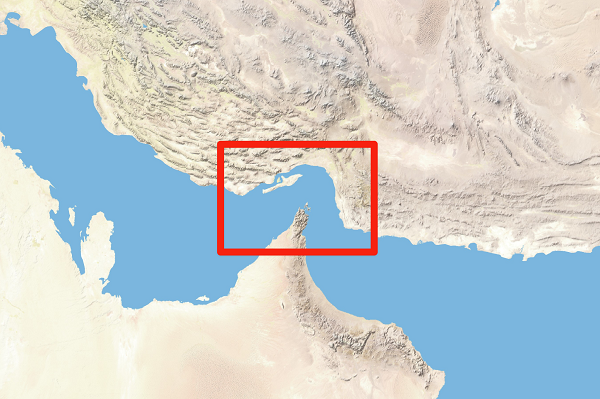
Mohsen Rezaei’s remarks mark one of the clearest indications yet that Tehran may be entering a more assertive phase in its regional strategy, particularly in relation to maritime security and the strategically vital Strait of Hormuz, through which a large share of global energy exports flows.
Speaking to Iranian media, Rezaei rejected what he portrayed as American attempts to manipulate the strategic narrative around the waterway, accusing Washington of using the issue as a political instrument rather than a genuine security concern. His comments framed the United States as attempting to stage pressure campaigns while preparing, in his view, for a gradual withdrawal from the region.
More significantly, he said Iran would no longer return to the “pre-war conditions” that preceded last year’s 12-day conflict, suggesting that Tehran now views the regional balance of power as fundamentally altered and no longer reversible through traditional diplomatic containment.
The shift in tone reflects a broader recalibration in Iranian messaging, which has gradually moved from restraint and calculated ambiguity toward more direct warnings and explicit conditions tied to regional security and economic pressure points.
Rezaei also escalated his language on compensation, stating that Iran expects the United States to account for what he described as damages sustained during past confrontations. He insisted that Tehran would pursue what it considers its “full rights” without compromise, signaling a more rigid negotiating posture in any future diplomatic engagement.
Although the remarks stopped short of announcing any immediate operational changes in the Strait of Hormuz, the political signal is clear: Iran is increasingly willing to link diplomatic negotiations, regional security, and economic pressure into a single integrated strategic framework.
The timing is significant. The region is already experiencing overlapping tensions involving maritime security, nuclear negotiations, and proxy confrontations across multiple theaters, including the Gulf and the Levant. In this environment, even rhetorical shifts carry weight far beyond domestic messaging.
Rezaei also adopted a broader geopolitical framing, expressing confidence in what he described as the long-term decline of US influence and suggesting that regional power structures are undergoing irreversible transformation.
While such statements are consistent with longstanding Iranian ideological positions, the current context gives them additional significance, coming at a moment when diplomatic channels remain active but fragile and regional actors are closely watching for signals of escalation or restraint.
For now, Iran’s message appears less about immediate action in the Strait of Hormuz and more about redefining the rules of engagement, signaling that future interactions will no longer be shaped by the cautious equilibrium that previously governed its response strategy.
