

Ahmed Kamel – Egypt Daily News
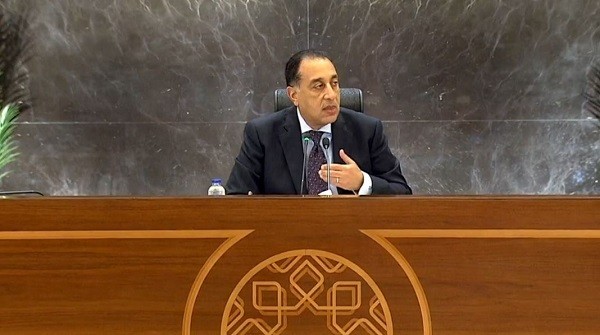
Egyptian Prime Minister Mostafa Madbouly explicitly addressed whether the government intends to lower domestic petroleum prices following recent decreases in global oil markets. Speaking during his weekly press conference on Wednesday, the head of government provided a definitive explanation regarding the state’s upcoming fiscal strategy for energy subsidies.
Madbouly reminded the public that the national budget had initially benchmarked global oil prices at seventy-five dollars per barrel based on full-year calculations. He noted that even when international crude surged drastically to one-hundred and twenty-five dollars per barrel in April, the state chose to absorb the massive financial deficit instead of passing additional costs onto citizens.
Summer Support Strategy Prioritizes Stabilization of National Petroleum Sector
The prime minister explained that the current summer season traditionally triggers an immense surge in national electricity and fuel consumption rates. Consequently, the government must prioritize financially supporting the Egyptian General Petroleum Corporation to recover the heavy losses it incurred during the peak of the recent geopolitical crisis.
This strategic decision ensures that the national energy infrastructure remains fully funded and stable during high-demand months. Madbouly emphasized that the state remains completely committed to shielding ordinary consumers from sudden external market shocks while maintaining economic equilibrium.
Automatic Pricing Committee Prepares to Resume Quarterly Tariff Evaluations
The specialized government committee responsible for determining domestic fuel tariffs will officially resume its structural operations during the first quarter of the new fiscal year. Over the next three months, the regulatory body will utilize the traditional automatic pricing mechanism to calculate fair market rates for petroleum products.
The panel will carefully analyze ongoing global energy averages and domestic consumption data to decide whether to stabilize or adjust consumer prices. This systematic return to standard evaluation protocols marks a step toward normalization after months of emergency wartime economic management.
International Monetary Institutions Praise Transparent Economic Management Models
Madbouly concluded his address by emphasizing that the government manages these complex fiscal challenges with absolute transparency for the public. He highlighted that prominent international financial institutions have officially praised the Egyptian state for its highly competent handling of the regional conflict’s economic fallout.
The administration intends to maintain this balanced approach to ensure long-term fiscal health without imposing sudden administrative burdens on local families. The upcoming committee reviews will provide a highly regulated framework for all future domestic energy adjustments.
