

Ahmed Kamel – Egypt Daily News
Diplomatic pressure mounts as Washington and Tehran edge toward a critical response window:
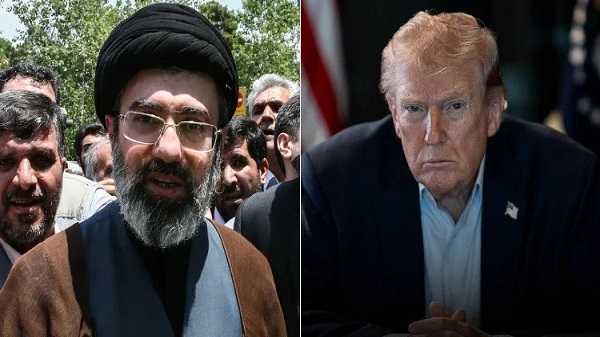
The United States is waiting for Iran’s official reply to its latest proposal, with President Donald Trump saying on Saturday that Washington expects Tehran’s response “today.”
The developments come as U.S. Secretary of State Marco Rubio expressed cautious hope that Iran’s answer could still open the door to renewed negotiations, even as tensions across the region continue to intensify.
Iran rejects deadline pressure as decision remains under review:
In Tehran, Iranian Foreign Ministry spokesman Esmail Baghaei said the country’s response is still being studied, stressing that Iran does not operate under “deadlines or ultimatums.”
The remarks signal a firm rejection of external time pressure as Iran weighs its next diplomatic move amid growing international scrutiny.
Israeli security warnings point to possible energy-sector targeting:
In parallel, Israeli media reported that senior officials have warned Washington that any future military confrontation with Iran should include strikes on key energy infrastructure.
According to Channel 12 reports, Israeli assessments suggest that Iran’s energy sector could be severely disrupted within 24 hours of sustained attacks, a scenario officials believe would dramatically weaken Tehran’s strategic position. One unnamed Israeli official was quoted as saying that even if regime collapse does not occur, the country would be left “crippled.”
Escalation continues on the Lebanon front:
The regional tensions are not limited to Iran. Hezbollah announced new attacks targeting Israeli military positions and vehicles in southern Lebanon, including strikes toward the Meron and Shraga bases in northern Israel.
The Israeli military, meanwhile, said it had carried out strikes against more than 85 Hezbollah-linked targets in Lebanon’s Bekaa Valley and southern regions over the past 24 hours.
A volatile moment across multiple fronts:
With diplomatic signals between Washington and Tehran still unresolved, and military activity escalating across Lebanon, the region is entering a highly sensitive phase where political decisions in the coming hours could shape the trajectory of the broader confrontation.
