

Ahmed Kamel – Egypt Daily News
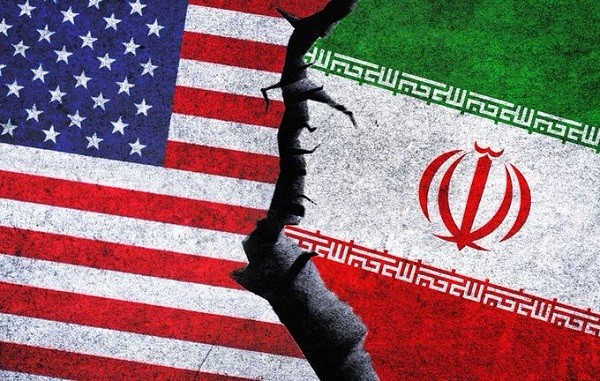
Explosions rocked Iran’s southern coastline on Thursday after US forces carried out strikes on targets in and around the strategic Strait of Hormuz, sharply escalating an already volatile situation even as Washington insists a fragile ceasefire is still technically in place.
Iranian state media reported blasts on Qeshm Island, near the Bahman pier, describing the area as being struck during what it called an ongoing exchange of fire between Iranian forces and an opposing military actor. Separate reports from US networks including Fox News said airstrikes also hit the port city of Bandar Abbas, one of Iran’s key naval and commercial hubs.
While details remain fragmented, US officials were quick to frame the operation in limited terms, suggesting the strikes were not intended to restart full-scale war or formally end the current ceasefire arrangement.
But on the Iranian side, the language was far sharper.
Tehran’s military leadership accused the United States of targeting civilian areas and suggested that regional actors had been involved in supporting the operation, a claim that immediately raised tensions across the Gulf and widened speculation about the scope of coordination behind the strikes.
The latest violence comes at a moment when Washington is simultaneously pushing a major diplomatic effort to end the conflict.
According to reporting from Axios, the Trump administration has circulated a 14-point memorandum aimed at establishing a framework for a potential peace deal with Iran. The proposal reportedly includes the lifting of US sanctions, the release of frozen Iranian assets, and a structured pathway toward resolving the long-running nuclear dispute.
The White House is said to believe the framework could lay the groundwork for a broader agreement within weeks, potentially including arrangements over the Strait of Hormuz, nuclear enrichment limits, and phased economic normalization.
If implemented, the proposal would reportedly freeze Iran’s uranium enrichment at low levels for more than a decade, with automatic extensions tied to compliance, while also requiring the removal of highly enriched uranium stockpiles from Iranian territory.
In practical terms, the emerging structure mirrors elements of the 2015 nuclear deal once championed by the Obama administration, a comparison that has already become politically sensitive inside Washington, especially given Trump’s long-standing criticism of that agreement.
Markets reacted quickly to the possibility of a breakthrough. Oil prices dropped sharply on speculation of a potential deal, while global equities moved higher as investors priced in the possibility of reduced geopolitical risk in the Gulf.
But behind the diplomatic momentum, military dynamics are moving in the opposite direction.
Israeli sources have reportedly warned that contingency strike plans against Iran remain active if negotiations collapse, with energy infrastructure and senior strategic sites said to be among potential targets. Israeli officials are also said to favor a short, intense military campaign designed to force further concessions at the negotiating table rather than a prolonged war.
The result is a rapidly tightening triangle of pressure: limited US strikes inside Iran, high-stakes negotiations over a sweeping political framework, and regional actors preparing for the possibility that diplomacy could fail at any moment.
The Strait of Hormuz sits at the center of it all.
Every escalation, every strike, and every diplomatic draft now feeds into the same underlying question: whether the region is moving toward a controlled political settlement, or drifting into another unpredictable cycle of confrontation disguised as negotiation.
