

Ahmed Kamel – Egypt Daily News
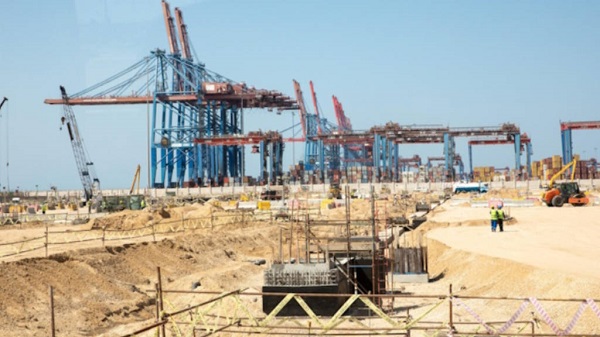
Egypt has locked in roughly $6 billion in new investments in the Suez Canal Economic Zone, accelerating its push to transform the strategic corridor from a transit route into a full-scale industrial and logistics hub.
The influx reflects a deeper shift in global capital flows, as manufacturers and logistics firms look for alternatives to traditional production centers amid supply chain disruptions and rising geopolitical risk.
Officials are betting that location not just incentives, will drive the next wave of investment.
Sitting along one of the world’s busiest shipping lanes, the zone offers direct access to Europe, Asia, and Africa, a combination that is becoming increasingly valuable as companies rethink where they build, assemble, and move goods.
More Than a Headline Number
The $6 billion figure signals more than investor interest, it points to a repositioning of Egypt within global trade networks.
Rather than relying primarily on Suez Canal transit revenues, Cairo is pushing to capture value before and after goods pass through the waterway, expanding into manufacturing, energy, and logistics services tied to international trade.
This strategy aligns with a broader global trend: countries with strategic geography are trying to convert location into industrial output.
Why Investors Are Moving
The timing matters.
Foreign direct investment into emerging markets has become more selective, with capital flowing toward projects that combine scale, infrastructure, and export potential. The Suez corridor checks all three boxes but only if execution keeps pace with ambition.
Currency flexibility, regulatory clarity, and speed of project implementation are now critical factors shaping investor decisions.
Any delays or policy reversals could quickly weaken momentum.
Rising Competition
Egypt is not alone in this race.
Across the region, Gulf economies and North African markets are pouring resources into logistics zones and industrial corridors designed to capture shifting supply chains.
That puts pressure on Egypt to move faster not just to attract deals, but to deliver results on the ground.
The Real Test Ahead
Securing investment commitments is one step. Converting them into operating factories, active supply chains, and sustained exports is another.
The next phase will determine whether the Suez Canal Economic Zone becomes a genuine industrial platform or remains a high-potential project competing in an increasingly crowded field.
For now, the scale of recent deals sends a clear signal:
Global investors are watching Egypt closely and some are already placing their bets.
