

Ahmed Kamel – Egypt Daily News
Iran escalated pressure on Washington Monday by tying any future progress in negotiations to a series of major demands, including an end to the widening war across the Middle East, the lifting of maritime pressure in the Gulf, and the release of frozen Iranian assets held abroad.
The remarks came hours after US President Donald Trump publicly dismissed Tehran’s latest response to a US proposal, describing it as “TOTALLY UNACCEPTABLE” and deepening doubts over whether diplomacy between the two rivals can survive the rapidly deteriorating security situation in the region.
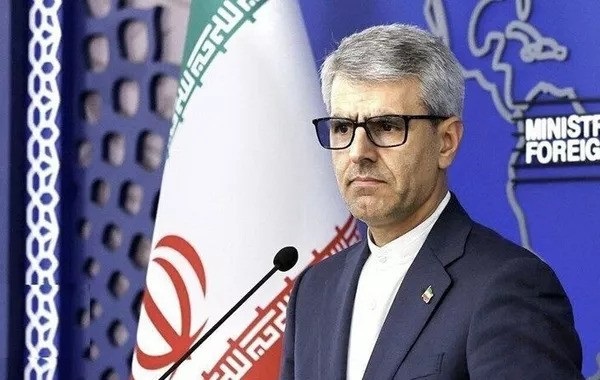
Speaking during a tense weekly press briefing in Tehran, Iranian Foreign Ministry spokesman Esmaeil Baqaei insisted that Iran was not seeking special treatment or concessions from Washington, arguing instead that Tehran was demanding what it considers its basic national rights after years of sanctions, military pressure, and economic isolation.
According to Baqaei, Iran’s position goes far beyond nuclear negotiations and now centers on the broader conflict engulfing the region. Tehran wants fighting to stop across multiple fronts, particularly in Lebanon and the Gulf, while also seeking an end to what it describes as US efforts to choke Iranian maritime activity through naval deployments and shipping restrictions.
Iran is also demanding access to state assets frozen in foreign banks, funds Tehran says belong to the Iranian people and have remained blocked for years under Western sanctions.
The latest Iranian proposal places particular emphasis on the Strait of Hormuz, the narrow but critical waterway through which a significant portion of the world’s oil exports pass daily. Tehran says securing safe navigation in the strait should be treated as a shared international interest rather than a point of confrontation.
Baqaei argued that Iran’s calls for regional security and uninterrupted maritime movement should not be viewed as aggressive demands, describing Tehran’s proposal as both “reasonable” and beneficial for global stability at a time when fears of wider conflict continue to rattle energy markets and international shipping routes.
But the Iranian spokesman also accused Washington of refusing to seriously engage with Tehran’s concerns, saying the US position remains shaped by Israeli influence and increasingly detached from diplomatic compromise.
Despite the escalating rhetoric, Iran indicated it is still leaving the door open for negotiations. Baqaei said Tehran would continue using diplomacy whenever it believes talks can protect Iranian national interests, while also warning that Iran remains prepared for military confrontation if necessary.
His comments come as European powers intensify discussions over maritime security in the Gulf. Britain and France are reportedly leading efforts to organize an international coalition aimed at protecting commercial shipping through the Strait of Hormuz once a broader political agreement is reached between Washington and Tehran.
The issue gained urgency after US Secretary of State Marco Rubio urged European allies during a visit to Rome to take a more active role in securing the strategic waterway amid fears of further attacks, blockades, or disruptions.
Tehran, however, warned European governments against becoming directly involved in the crisis, cautioning that any foreign intervention in the Strait of Hormuz could trigger even greater instability across the Gulf.
During the same briefing, Baqaei also rejected reports suggesting a possible environmental incident near Iran’s Kharg Island after satellite images appeared to show an oil slick in Gulf waters. He dismissed the claims as fabricated while accusing the United States military presence in the region of contributing to environmental risks in one of the world’s most strategically sensitive waterways.
