

Ahmed Kamel – Egypt Daily News
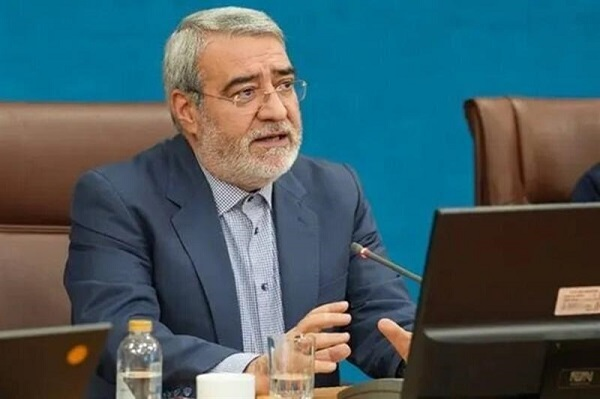
The Iranian ambassador to China confirmed that new service fees will be officially charged to commercial vessels transiting the strategic Strait of Hormuz waterway. Ambassador Abdolreza Rahmani Fazli clarified that sovereign nations maintaining positive diplomatic ties with Tehran will receive specialized financial exemptions during the implementation phase.
The initial ceasefire agreement signed between Washington and Tehran mandated that global merchant fleets could navigate the energy corridor free of charge for sixty days. However, the temporary arrangement left the long-term economic regulations governing the narrow maritime bottleneck completely undefined after the expiration of the transition period.
Collaborative Regulatory Framework Aims to Address Security and Environmental Impacts
Sovereign technical teams from Iran are currently working in close cooperation with Omani administrators to finalize the updated navigation policies. Fazli explained to international delegates at the World Peace Forum in Beijing that the impending measures should be viewed as necessary service costs rather than arbitrary transit tolls.
The upcoming maritime protocols will focus heavily on enhancing security supervision over traveling cargo hulls while managing the heavy environmental degradation caused by massive maritime trade volumes. The state plans to utilize the resulting financial revenues to fund persistent naval patrol operations and modernize regional oil spill response infrastructure.
Geopolitical Alliances Influence Future Maritime Trade Policies Across the Gulf
The ambassador explicitly noted that the maritime administration will deploy a tiered pricing mechanism to reward international trading partners who supported the state during recent military hostilities. This strategic policy announcement targets several global import markets that resisted the comprehensive economic blockades enforced by Western coalitions.
The critical marine choke point normally accommodates approximately twenty percent of total global liquefied natural gas and crude oil exports before active warfare paralyzed regional shipping networks. International energy analysts predict that the introduction of localized transit fees will likely introduce fresh volatility into ongoing peace negotiations as Western powers demand a completely open corridor.
