

Ahmed Kamel – Egypt Daily News
International energy markets experienced a massive upward price shock on Thursday as global crude oil prices surged past the one-hundred-dollar threshold for the first time since May. Brent crude futures catapulted by over six percent in afternoon trading to settle at one-hundred dollars and sixty cents per barrel, marking a staggering twenty-nine percent price spike over the past month alone.
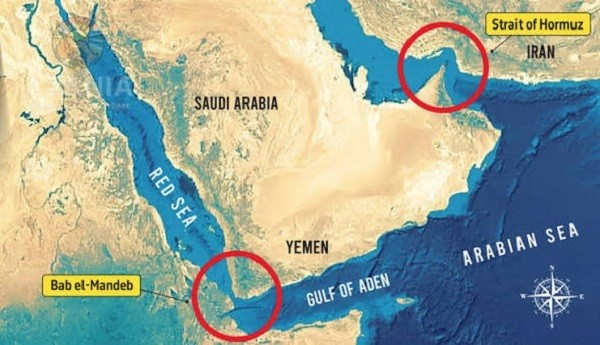
The immediate catalyst for the market surge was a targeted maritime assault by Yemeni Houthi militants, who successfully struck two Saudi Arabian oil tankers navigating the Red Sea corridor. This highly volatile development threatens to significantly worsen an ongoing international energy crisis that already ranks as one of the largest economic supply shocks in global history.
Simultaneous American and Iranian Military Strikes Imperil Fragile Ceasefire Treaty
The localized shipping disruptions occurred alongside a heavy, ongoing exchange of retaliatory missile strikes between United States defense forces and the Islamic Republic of Iran. This dramatic resumption of large-scale warfare has effectively neutralized a preliminary peace agreement signed last month, which had briefly lowered crude costs to pre-war baselines.
The maritime conflict remains centered on the strategic Strait of Hormuz chokepoint, a vital trade route that traditionally facilitates the transport of one-fifth of the world’s petroleum supply. The United States Navy fully reinstated its comprehensive naval blockade of all Iranian ports last week after Iranian forces directly fired upon multiple international merchant vessels.
Saudi Alternative Red Sea Export Pipelines Compromised by Cross Border Drone Strikes
The Houthi movement’s targeted intervention in the Red Sea has directly compromised Saudi Arabia’s primary alternative energy export infrastructure. To bypass the blockaded Strait of Hormuz, Riyadh has relied heavily on an expansive overland pipeline system that transports crude oil across the desert peninsula to western ports on the Red Sea.
The fresh aerial bombardments targeting those specific western loading terminals have forced international shipping lines to implement sudden slowdowns in freight traffic. Financial experts warn that a prolonged transport bottleneck affecting both the Hormuz and Red Sea arteries will completely fracture global energy distribution mechanisms.
Tumbling Stock Indices and Surging Consumer Gasoline Prices Trigger Severe Inflationary Alarms
Global equity markets suffered intense selling pressure on Thursday as corporate investors reacted to the rapidly escalating overhead transport and manufacturing costs. The Dow Jones Industrial Average plunged by five-hundred and twenty-five points, while the broader S&P 500 contracted by over one percent and the tech-heavy Nasdaq dropped more than two percent.
Concurrently, ordinary consumers are facing immediate financial stress at the pump, with the national average price for a gallon of automotive gasoline climbing swiftly to four dollars and nine cents. The abrupt reversal in fuel cost trajectories has raised widespread fears that central banks will be forced to implement emergency interest rate hikes to combat persistent inflationary pressures.
