

Egypt Daily News – Egypt News.
The Egyptian pound strengthened against the US dollar last week as foreign investors returned to local-currency assets. The currency rose 3.9%, supported by improving appetite for risk in global markets and a decline in oil prices, according to estimates from Citigroup and EFG Hermes.
Citigroup estimated that about $2 billion flowed into Egyptian-pound assets from Sunday onward, bringing foreign investors’ holdings to roughly $27 billion. The bank said the money was concentrated in short-term instruments, with maturities of up to nine months.
EFG Hermes gave a separate estimate for the period. Mohamed Abu Basha, the investment bank’s head of macroeconomic analysis, said net portfolio investment into Egypt’s domestic debt market reached about $2.5 billion over the week.
The figures point to a notable return of foreign capital, although they measure different categories of investment. Citigroup’s estimate covers inflows into pound-denominated assets, while EFG Hermes assessed net portfolio flows into the local debt market.
The renewed demand for Egyptian assets came as global investor sentiment improved following the US election. At the same time, Brent crude fell to around $95 a barrel. Lower oil prices can help reduce the cost of Egypt’s energy imports and ease the need for foreign currency to pay for them.
Egypt imports gas and petroleum products to meet part of its domestic energy demand. When energy prices decline, the country’s import bill can come under less pressure, potentially reducing one source of demand for dollars. The currency’s advance last week reflected both that external backdrop and the return of investors seeking opportunities in Egyptian assets.
The influx followed foreign investment outflows during October, when escalating regional tensions weighed on market sentiment. The withdrawals coincided with a steep decline in the pound, which reached a record low against the dollar. The latest inflows have helped the currency recover, but the durability of its gains will depend in part on whether overseas investors continue buying local debt and other pound-denominated instruments.
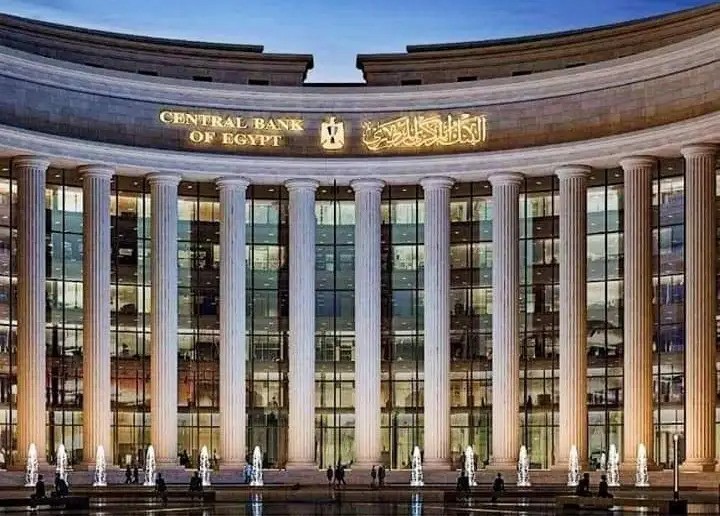
Monetary policy has also been a factor in the market’s assessment of Egyptian assets. At the end of October, the Central Bank of Egypt raised its key interest rates by 100 basis points, setting the deposit rate at 20% and the lending rate at 21%. It was the first rate increase since March 2024 and ran counter to the expectations of most analysts, according to the supplied report.
The central bank’s move was aimed at addressing inflation risks linked to regional conflict and rising prices for energy and other commodities. Higher interest rates can increase the returns available on local-currency investments, although investors also weigh the risks of currency movements and changing global conditions.
Market participants had previously told Asharq Bloomberg that the combination of higher interest rates and a more flexible exchange rate had made Egyptian debt instruments more appealing to foreign investors. The latest inflows appear consistent with that assessment, particularly as Citigroup said investors favored short-dated instruments.
Citigroup expects the pound could make further short-term gains if investors continue directing money toward opportunities with relatively brief maturities. Such investments can be especially sensitive to shifts in global sentiment, however, and may reverse if investors become less willing to take on risk.
Abu Basha pointed to a possible near-term challenge. A sharp fall in US markets on Friday could affect sentiment and leave the Egyptian pound starting the new week on a weaker path. Market declines can prompt investors to pull back from emerging-market assets, even when local yields are attractive.
The outlook for the pound therefore hinges on several competing forces. Continued foreign demand and lower energy costs could support the currency, while renewed market turbulence or regional tension could put pressure on it. The October outflows demonstrate how quickly investor sentiment can shift when geopolitical risks rise.
For now, the return of foreign capital has provided the pound with a meaningful boost. But the estimates do not establish that inflows will continue at the same pace, nor do they remove the risks facing the currency. Citigroup’s more optimistic view depends on sustained short-term investment demand, while EFG Hermes’ warning highlights the possibility that weakness in US markets could quickly affect sentiment toward Egyptian assets.
The pound’s recent 3.9% rise is thus best understood as a response to a temporary improvement in external conditions and renewed appetite for local debt, rather than evidence that the currency’s pressures have disappeared. Future movements will depend on global risk appetite, oil prices, domestic interest rates and whether foreign investors maintain their exposure to Egyptian-pound instruments.
