

Ahmed Kamel – Egypt Daily News
Egypt’s Ministry of Transport plans to upgrade 3,000 kilometres of local roads over the next three fiscal years, at a projected cost of 42 billion Egyptian pounds, Transport Minister Kamel El-Wazir said Tuesday.
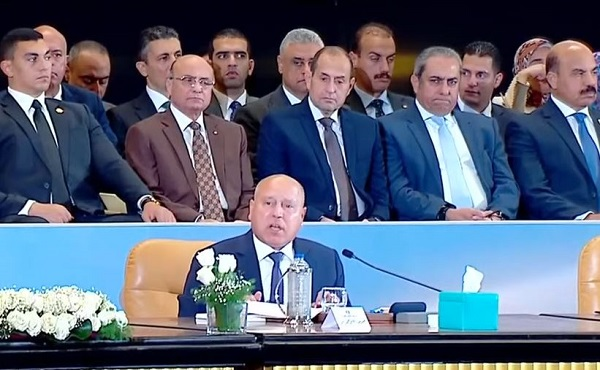
Speaking during an urban development session at Egypt Forum, attended by President Abdel-Fattah El-Sisi, El-Wazir said the work would focus on local roads in governorates that still need repairs and improvements. He acknowledged that recent investment had placed greater emphasis on major highways and routes linking ports with industrial zones, while many roads serving villages and urban communities remained in need of attention.
“The amount is large, but it is not large when it comes to our people in villages and urban areas,” El-Wazir said, describing the proposed spending as a response to residents’ needs.
The announcement marks a planned next phase in the government’s road program, which the minister said had already exceeded its original target for new roads. Egypt had planned to build 7,000 kilometres of new roads, he said, but work was underway on 7,600 kilometres.
El-Wazir linked continued road construction to population growth and the expansion of housing, agriculture and industry. As economic activity spreads and new communities develop, he said, transport routes are needed to connect them and support movement between residential areas, workplaces, markets and services.
He said the ministry would continue work on the main and free-road networks while also raising the standard of local roads. The distinction reflects different functions within the transport system: major routes connect cities, ports and industrial centres, while local roads provide access within governorates and between communities.
The minister said the government had previously completed two programs to improve local roads. One, launched about three years ago, covered 3,000 kilometres. Another 3,000 kilometres were upgraded through the Decent Life initiative, known in Arabic as Haya Karima, which targets rural development. Despite those efforts, he said, local roads in several governorates still required work.
The new 42 billion-pound program is to be spread across three fiscal years. El-Wazir did not provide details in his remarks about the specific governorates, project schedule, procurement process or how roads would be selected. Those details will help determine how the planned investment is distributed and when residents can expect construction to begin.
Road upgrades can involve more than resurfacing. Depending on the condition and design of a route, work may include strengthening the road base, improving drainage, repairing bridges or intersections, and adding safety measures. The minister’s announcement did not specify which types of work would be included in the 3,000-kilometre plan.
The investment also comes within a broader transport strategy that treats roads as part of an interconnected system. Government planning documents describe transport infrastructure as a means of supporting trade, linking economic activities and enabling urban development. Roads can help connect production areas to markets and ports, but local routes also shape daily access to schools, health facilities and employment.
In the forum session, the government’s wider urban development agenda included infrastructure, new cities, housing and public services. El-Wazir’s remarks placed local roads alongside larger construction projects, while emphasizing that transport networks must keep pace with development and population growth.
The challenge, however, is not only to build new kilometres. Maintaining existing roads and ensuring that upgrades are durable will also affect the value of public spending. El-Wazir’s acknowledgement that local roads remain in need of improvement, following two earlier programs, underscores the scale of the task and the importance of ongoing maintenance.
The proposed work would allocate a substantial sum to roads outside the main national network. If carried out as planned, the three-year program could improve connections for communities that have seen less attention than major intercity corridors. Its impact will depend on project selection, execution and whether the upgraded routes remain in usable condition after construction is complete.
