

Ahmed Kamel – Egypt Daily News
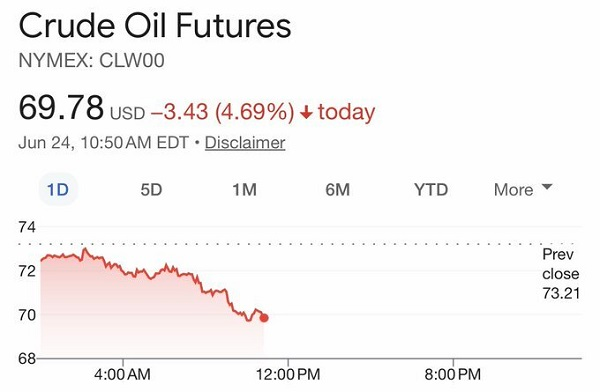
The global price of crude oil fell to its lowest valuation since the outbreak of the Iran conflict as commercial traffic slowly returned to the Strait of Hormuz. Global benchmark Brent crude dipped to seventy-two dollars and forty-eight cents a barrel, erasing all premium costs added since the initial military strikes in late February.
Energy markets experienced massive volatility over recent months after shipping channels through the critical marine choke point were effectively closed to international transit. This sudden downward price movement accelerated rapidly following the signing of a bilateral memorandum of understanding between Washington and Tehran.
Peace Negotiations in Switzerland Spark Sanctions Relief
Diplomatic representatives from both nations recently gathered for a series of high-level peace negotiations hosted in Switzerland to formally conclude the regional war. The initial round of talks resulted in the United States government agreeing to partially lift its strict economic sanctions against Iranian crude exports.
Maritime intelligence tracking data confirmed a substantial increase in the total number of commercial vessels crossing the strategic waterway over the past week. Supertankers and merchant ships are now actively moving shipments of crude oil, liquefied natural gas, and agricultural fertilizer through the reopened shipping lanes.
New Communication Channels Established for Safe Marine Transit
International mediators from Qatar and Pakistan announced the successful creation of a direct communication line between the opposing military forces to prevent naval misunderstandings. The specialized joint framework aims to guarantee secure maritime passage for all commercial vessels operating inside the Gulf region.
The United States Navy issued formal routing guidance to direct international merchant shipping away from residual naval minefields laid during active hostilities. Despite this recent influx of dozens of transiting ships, overall maritime traffic remains well below the normal historical averages recorded prior to the war.
Domestic Fuel Costs Draw Strict Government Scrutiny
Domestic retail gasoline prices began a gradual decline after peaking at a multi-year national average high of four dollars per gallon in April. President Donald Trump ordered an official federal investigation into major multinational energy corporations, accusing top fuel suppliers of price gouging at the pump.
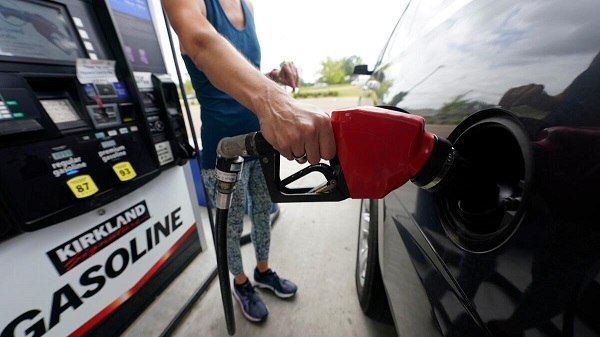
Industry trade groups immediately defended the current retail pricing structures by stating that consumer fuel costs do not move in perfect lockstep with raw commodity markets. Similar accusations of unfair pricing practices by domestic energy firms have also sparked investigations by competition watchdogs across the United Kingdom.
