

Ahmed Kamel – Egypt Daily News
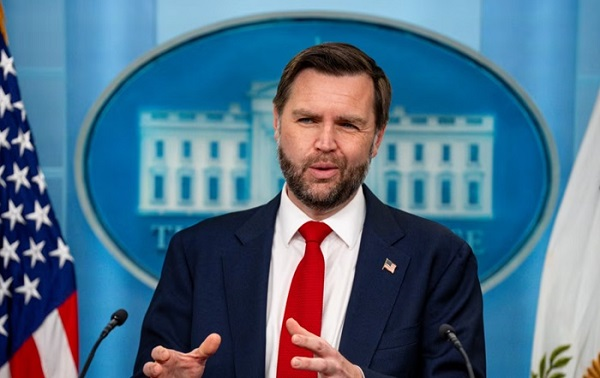
Plans for the first round of U.S.–Iran negotiations in Switzerland were put on hold Friday after Vice President JD Vance canceled his travel and renewed Israeli strikes in southern Lebanon escalated regional tensions, officials said.
The meeting, expected to take place in the alpine resort of Bürgenstock, was intended to open a 60-day diplomatic process aimed at stabilizing a broader agreement following an interim deal signed earlier this week. A regional diplomat said the talks were delayed after Tehran sought assurances that fighting in Lebanon would be halted as part of the framework under discussion.
Switzerland’s Foreign Ministry confirmed the postponement, saying the venue remained prepared and that “relevant preparatory work” was continuing.
The White House said Vance would not depart for Switzerland as planned, noting that logistical arrangements for the talks remained unsettled.
“As of now the Vice President is not departing tonight,” a spokesperson said, adding that the U.S. delegation remained ready to travel once timing was confirmed.
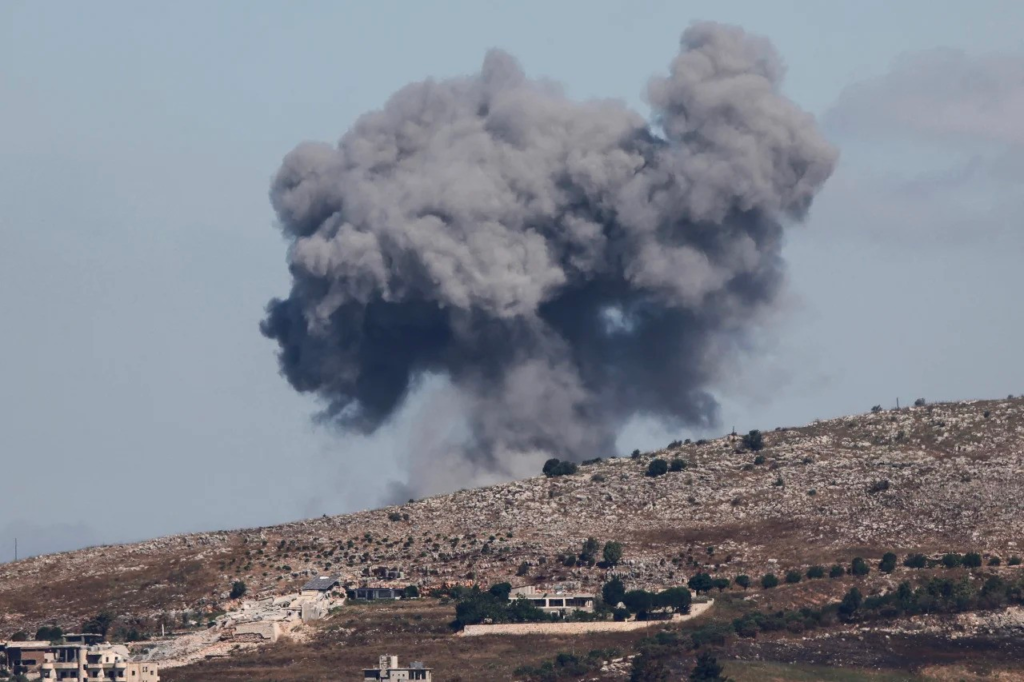
The delay came as violence intensified in southern Lebanon, where Israeli strikes killed at least 18 people, according to Lebanese health officials. Israel said the operation followed the deaths of four soldiers, including a battalion commander, in clashes with Hezbollah.
Prime Minister Benjamin Netanyahu ordered retaliatory strikes, describing the incident as a “blatant violation” of ceasefire understandings. The Israeli military said it struck more than 80 targets across southern Lebanon and the Bekaa Valley, including what it identified as Hezbollah positions.
The escalation adds pressure to already fragile diplomacy linked to the interim U.S.–Iran agreement, which included provisions aimed at halting hostilities across multiple fronts, including Lebanon, during a 60-day negotiating window.
Tehran has warned it will not uphold the agreement if Israel continues military operations in Lebanon, while Iranian officials have yet to formally comment on the postponement of the talks.
Speaking earlier in Washington, Vance defended the interim accord and urged restraint from Israel, saying it should “respect this peace process that is fundamentally good for them and the entire region.” He also criticized Israeli opponents of the deal, arguing that the United States remained Israel’s key strategic partner.
Iranian Supreme Leader Ali Khamenei dismissed the agreement as a product of “desperation,” saying Tehran would not accept what he called “excessive” American demands and that future negotiations would not imply acceptance of U.S. positions.
The renewed fighting has also unsettled regional energy and shipping routes. Brent crude prices held steady on Friday but were still set for a weekly decline of more than 8% following earlier optimism over the agreement.
Traffic through the Strait of Hormuz remained limited but showed signs of partial recovery, with several vessels passing through after Iran issued temporary guidelines waiving certain fees during the 60-day negotiation period.
Despite the setback, diplomatic channels remain open, though the combination of continued fighting in Lebanon and political friction among negotiating parties has cast uncertainty over the next stage of talks.
