

Ahmed Kamel – Egypt Daily News
Egypt’s airports are emerging as global leaders in aviation in 2025, demonstrating remarkable growth, efficiency, and resilience in handling rising air traffic. The surge in passenger numbers, operational improvements, and strategic infrastructure upgrades highlight the country’s commitment to modernizing its aviation sector and positioning Egypt as a key hub for international travel.
Passenger traffic through Egyptian airports reached 28 million in 2025, a 22.3% increase from the 22.9 million travelers recorded in 2024. This growth reflects a strong recovery in tourism and underscores the country’s ability to manage high volumes of international and domestic travelers efficiently. Airports in Cairo, Alexandria, Sharm El-Sheikh, and Luxor saw particularly notable increases in international arrivals, as visitors were drawn to Egypt’s cultural landmarks, historical sites, and coastal destinations.

The total number of flights also rose sharply, climbing to 209,800 in 2025 from 173,800 the previous year, a 20.7% increase. Aviation experts note that this growth has been especially significant during peak travel periods such as winter holidays and national holidays, when airports face maximum pressure. Despite the increase, operational efficiency remained high, with airport authorities maintaining smooth flight operations, enhancing passenger processing, and streamlining baggage handling to minimize delays.
Egypt’s aviation sector has also embraced digital transformation to improve passenger experience. Initiatives such as self-check-in kiosks, advanced security screening, and seamless immigration processes have made airport travel more efficient and convenient. These technological upgrades are helping Egypt meet the expectations of a growing number of tech-savvy travelers.
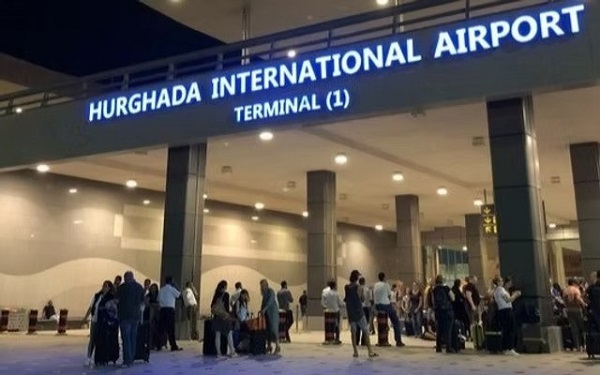
Infrastructure modernization has been another critical factor in Egypt’s aviation success. Major upgrades to terminals, baggage claim areas, and other facilities have improved comfort and efficiency, allowing airports to handle increased passenger volumes while maintaining high standards. At the same time, an influx of international airlines, including low-cost carriers, has expanded connectivity, introduced new routes, and increased competition, resulting in more options and lower fares for travelers.
Beyond facilitating tourism, Egypt’s aviation growth is contributing significantly to the country’s broader economic development. The sector supports industries such as hospitality, retail, and transportation, creating jobs and generating revenue while reinforcing Egypt’s global appeal as a travel destination.
Looking ahead, Egyptian authorities plan to sustain and build upon this momentum through continued investments in infrastructure, technology, and operational improvements. Plans for new airports and further modernization of existing facilities are already underway, ensuring that Egypt remains competitive in the global aviation landscape.
In 2025, Egypt’s airports have not only managed a significant surge in traffic but have also set new benchmarks for efficiency, resilience, and passenger service. With continued strategic investment, the country’s aviation sector is poised for even greater growth, cementing Egypt’s position as a premier destination for international travelers and a leader in modern airport operations worldwide.
