

Ahmed Kamel – Egypt Daily News
Iran has launched a series of attacks on key energy facilities across the Gulf, striking targets in Qatar and firing missiles toward Saudi Arabia, in a dramatic escalation of the ongoing conflict with the United States and Israel that is sending shockwaves through global energy markets.
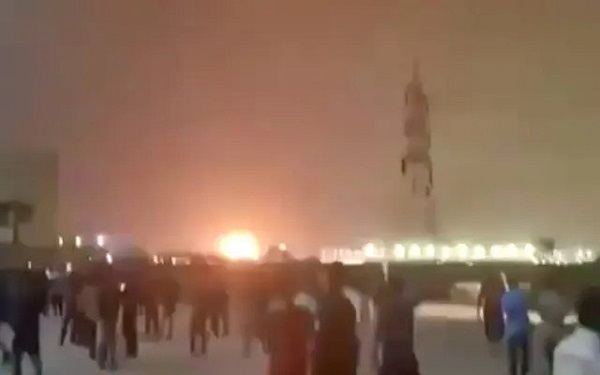
The escalation followed a major strike on Iran’s South Pars gas field, part of the world’s largest natural gas reserve shared with Qatar. Iranian media reported that sections of the facility, including gas storage tanks and refinery infrastructure, were hit, triggering fires and prompting the evacuation of workers before authorities later said the situation had been brought under control.
In retaliation, Iran targeted Qatar’s critical energy infrastructure. QatarEnergy reported extensive damage at Ras Laffan Industrial City, one of the world’s most important hubs for liquefied natural gas production, after it was struck by Iranian missiles. Doha condemned the attack as “dangerous and irresponsible,” warning it posed a direct threat to global energy security.
Saudi Arabia said it intercepted and destroyed four ballistic missiles launched toward the capital, Riyadh, and thwarted a drone attack targeting a gas facility in the country’s eastern region. The widening scope of attacks has raised fears that vital oil and gas infrastructure across the Gulf could be drawn directly into the conflict.
Iran has openly warned that additional energy sites across the region are now considered legitimate targets. Among those named were major facilities in Saudi Arabia, the United Arab Emirates, and Qatar, with Tehran urging evacuations ahead of potential further strikes.
The intensifying confrontation has already disrupted shipping through the Strait of Hormuz, a critical chokepoint through which roughly 20 percent of the world’s oil and liquefied natural gas supplies pass. Analysts warn that prolonged disruption or damage to infrastructure could have lasting consequences for global energy markets.
Oil prices surged in response, with benchmark Brent crude rising about 5 percent to exceed $108 per barrel, while stock markets declined amid growing uncertainty. In the United States, diesel prices have climbed above $5 per gallon for the first time since the inflation surge of 2022, adding political pressure on President Donald Trump and his administration.
U.S. intelligence assessments presented to Congress by Tulsi Gabbard indicated that while Iran’s leadership structure has been weakened since the war began on February 28, it remains capable of coordinating attacks across the region through both state forces and allied groups.
Vice President JD Vance said Washington would announce new measures within days aimed at addressing rising fuel costs and stabilizing markets.
The attack on Iran’s gas infrastructure was widely attributed in Israeli media to Israel, reportedly carried out with U.S. consent, though neither government has officially confirmed responsibility. The strike marked a significant shift, as both countries had previously avoided directly targeting Iran’s energy production facilities to prevent broader regional retaliation.
Meanwhile, European diplomacy has intensified. Kaja Kallas held talks with Iranian Foreign Minister Abbas Araghchi, emphasizing the need to secure maritime navigation through the Strait of Hormuz and reiterating support for a diplomatic resolution.
The conflict has also expanded geographically. Israeli airstrikes hit central Beirut, causing widespread destruction in some of the heaviest bombardments of the Lebanese capital in decades. At the same time, Israel has intensified its campaign against Iran’s leadership, killing senior figures including Intelligence Minister Esmail Khatib and security official Ali Larijani.
Israeli Defense Minister Israel Katz said the military had been authorized to target any senior Iranian official without additional approval, signaling a further escalation in tactics. Prime Minister Benjamin Netanyahu has backed the expanded campaign.
Iran has responded with missile barrages targeting Israeli cities including Tel Aviv, Haifa, and Beersheba, as well as strikes on U.S. military bases across the region. Casualties continue to mount: human rights groups estimate more than 3,000 people have been killed in Iran since the conflict began, while authorities in Lebanon report around 900 deaths and hundreds of thousands displaced. In Israel, at least 14 people have been killed, with additional casualties reported across Iraq and Gulf states.
With both sides expanding their targets to include critical infrastructure and senior leadership, the conflict is entering a more dangerous phase, raising fears of a prolonged war with far-reaching consequences for regional stability and the global economy.
