

Ahmed Kamel – Egypt Daily News
On March 27, 2026, at least ten United States service members were wounded when Iranian forces launched a coordinated missile and unmanned aerial vehicle (drone) attack on Prince Sultan Air Base in Saudi Arabia, U.S. and regional officials said. Two of the wounded were reported to be in serious condition, according to U.S. military sources familiar with the incident who spoke on condition of anonymity to discuss sensitive operational details.
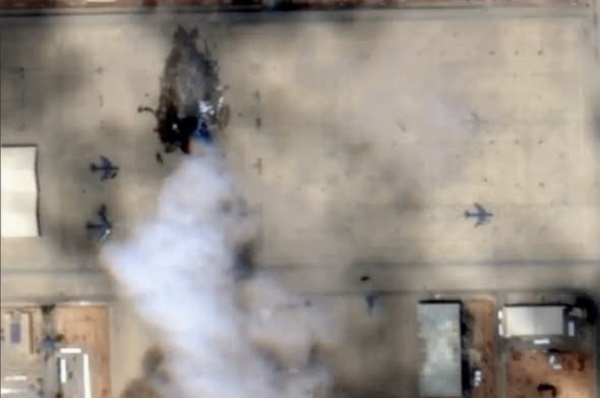
The strike, coming amid a broader month-long conflict between Iranian forces and a U.S.-led coalition, marked one of the most significant direct hits on American personnel in the Middle East in recent weeks. In addition to the casualties, several U.S. Air Force refueling aircraft were damaged on the ground at the base, a key logistical hub for U.S. operations in the region. Satellite imagery circulated online showed visible damage to at least one KC-135 Stratotanker, underscoring the vulnerability of deployed assets.
Prince Sultan Air Base, located southeast of Riyadh, hosts a substantial U.S. military presence and serves as a strategic platform for air refueling, reconnaissance, and support missions across the Middle East. The facility has been used by U.S. and allied forces for decades and saw expanded operations following rising tensions with Tehran in recent years.
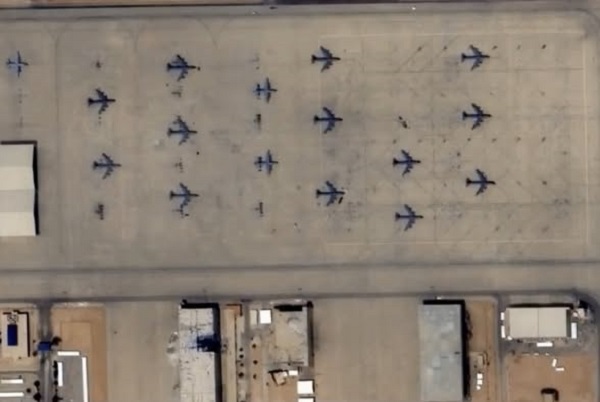
The assault involved a combination of ballistic missiles and drones, according to officials, and caused damage to multiple aircraft parked on the base. While the total number of aircraft affected has not been fully disclosed, U.S. and Saudi officials confirmed that several tankers were struck and are currently undergoing assessment and repair.
This incident follows earlier attacks in the region attributed to Iran or Iranian-linked forces, including a March 1 strike on the same base that wounded American troops and later led to the death of Army Sergeant Benjamin N. Pennington from injuries sustained in that engagement.
The broader conflict, which began after escalating tensions over nuclear facilities, regional influence, and military engagements, has inflicted a growing toll on U.S. forces stationed in the Middle East. U.S. Central Command reports that more than 300 service members have been injured in various strikes over the past month, with dozens still unable to return to duty.
The strike also reflects widening instability across the region. Iran has carried out a series of missile and drone attacks on military and civilian sites in Saudi Arabia and surrounding countries, often targeting areas associated with U.S. and allied operations. Saudi Arabia’s Ministry of Defence has reported multiple interceptions of missiles and drones in recent weeks, signaling an intensification of hostilities.
The Pentagon has faced growing pressure to bolster force protection measures following the wave of attacks. U.S. military leaders are reportedly evaluating additional defensive deployments, including hardened shelters and missile defense systems, to safeguard personnel and assets in the Gulf region.
Diplomatically, officials continue to pursue avenues to reduce tensions. U.S. and allied diplomats have engaged in talks with regional partners to broker ceasefires and de-escalation agreements, even as combat operations persist. Tehran, however, has dismissed direct negotiations with Washington, complicating efforts to halt the cycle of retaliation.
The latest attack raises questions about the future of U.S. military strategy in the Middle East and highlights the enduring risks facing American forces deployed far from home in volatile theaters of conflict.
