

Ahmed Kamel – Egypt Daily News
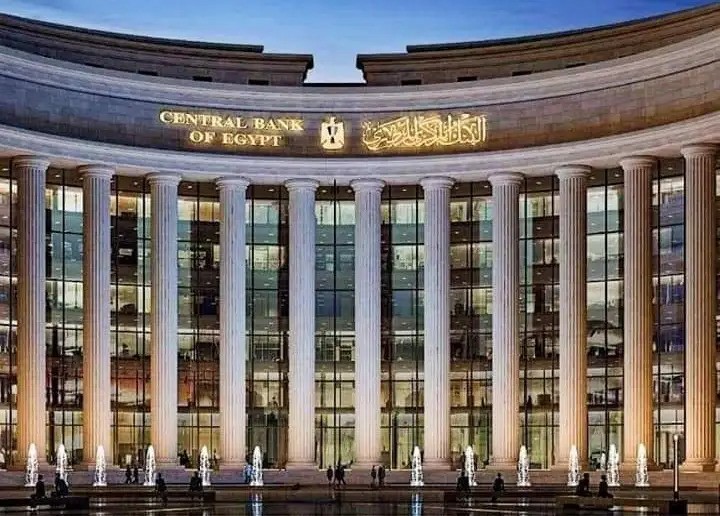
The Central Bank of Egypt officially published its comprehensive fiscal report revealing that the nation’s aggregate external debt liabilities expanded to 164.776 billion dollars by the conclusion of March 2026. This updated monetary tracking ledger represents a noticeable capital accumulation compared to the 163.911 billion dollars documented at the close of the preceding operational quarter.
The financial document clarifies that long-term sovereign obligations experienced an upward trajectory, rising to 134.251 billion dollars from a previous baseline of 129.490 billion dollars. Conversely, short-term hard currency liabilities registered a positive decline by dropping to 30.525 billion dollars, reflecting state efforts to lengthen maturity schedules.
Government Debt Obligations Outpace Central Bank Liability Drops Across Contemporary Registers
The technical breakdown indicates that the direct foreign debt attributed to the executive government increased to 82.841 billion dollars at the end of the third fiscal quarter. This specific public sector growth highlights a steady expansion from the 81.846 billion dollars logged by state accountants at the end of December 2025.
Concurrently, the outstanding external debt balanced directly on the Central Bank of Egypt dropped comfortably to 35.770 billion dollars down from 36.995 billion dollars. Meanwhile, commercial banking corporations saw their foreign obligations expand to 24.750 billion dollars, displaying an increase from the 23.004 billion dollars registered during the prior winter tracking interval.
Historical Sovereign Balance Sheet Restructuring Follows Mass Regional Coastal Land Partnerships
Macroeconomic observers note that the current total debt configuration marks a continued increase from the 156.690 billion dollars recorded at the end of March 2025. That historical period immediately followed the massive 35-billion-dollar coastal land partnership with the United Arab Emirates to develop the Ras El Hekma region along the Mediterranean coast.
Despite the substantial hard currency influx generated by that real estate partnership, the state has continued to acquire larger external financing packages to manage infrastructure upgrades. The Central Bank of Egypt concluded its technical data release by validating that maintaining a precise balance between long-term development loans and currency stability remains a primary institutional goal.
