

Ahmed Kamel – Egypt Daily News
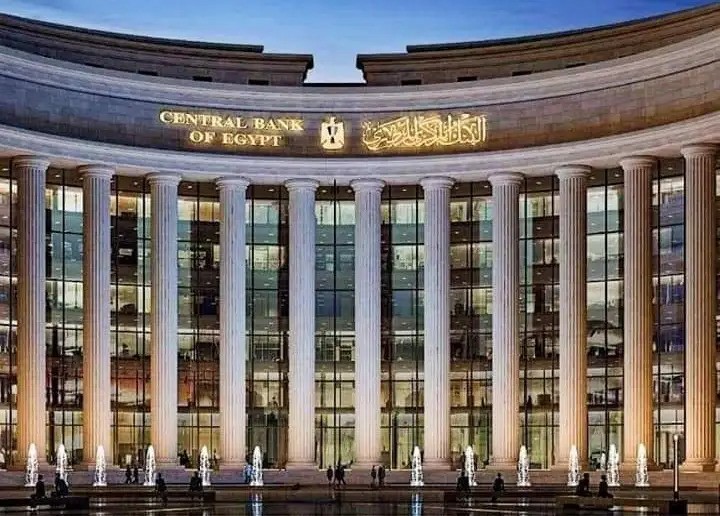
The United States announced Iran-related measures against Banque Misr’s operations in the United Arab Emirates on Friday, restricting the bank’s access to dollar transactions with US financial institutions. Egypt’s central bank said the action was limited to the bank’s UAE branches and would not affect Banque Misr’s operations in Egypt or the country’s broader banking system.
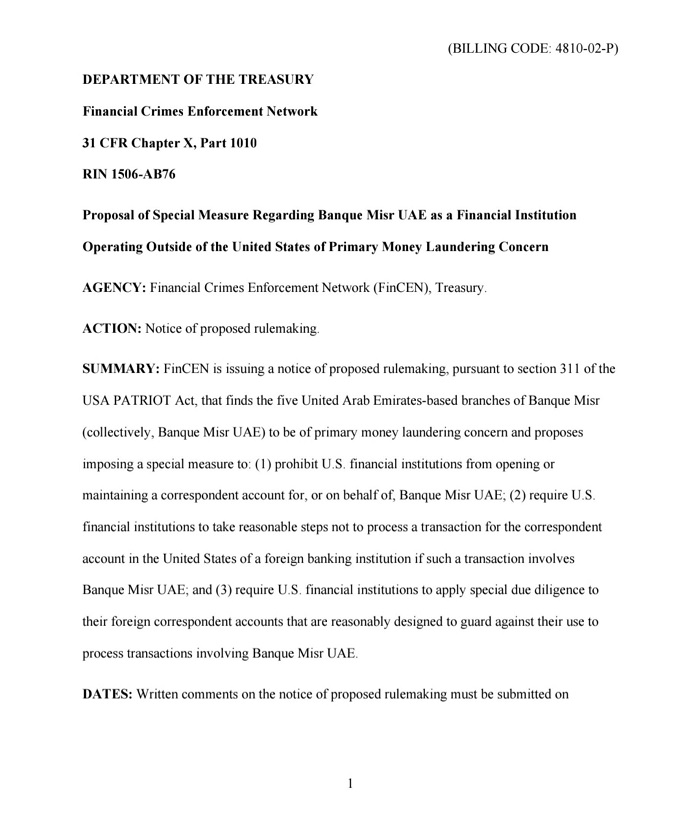
The US Treasury Department said its Financial Crimes Enforcement Network had proposed a rule to withdraw Banque Misr UAE’s correspondent banking access to US financial institutions. The measure would prevent the UAE-based branches from conducting certain dollar transactions through the American financial system, particularly transactions connected to dealings with Iran.
The action forms part of Washington’s campaign to increase economic pressure on Tehran. Treasury Secretary Scott Bessent had previewed the announcement earlier in the week, describing it as a major secondary sanction against an international bank. The Financial Times was the first outlet to report the planned move.
“Today, we are taking the first step in holding it accountable,” Bessent said, accusing Banque Misr UAE of providing continued support to the Iranian government. He added that institutions facilitating Iran’s access to the dollar and the global financial system would face consequences under the US pressure campaign.
The US Treasury said the restrictions applied specifically to Banque Misr’s six branches in the UAE. A senior Treasury official said the bank would remain able to conduct dollar transactions through its headquarters in Cairo and through its other overseas branches. Those branches include operations in Paris, Frankfurt, Riyadh, Beirut, and Djibouti.
The distinction between the UAE branches and the rest of Banque Misr was central to Egypt’s response. The Central Bank of Egypt said the US measures did not extend to Banque Misr’s domestic operations or to any other Egyptian bank. It also stressed that the action did not apply to the bank’s foreign branches outside the UAE.
The CBE said it was coordinating with Egypt’s Ministry of Foreign Affairs and communicating with US authorities to follow developments and clarify the scope of the measures. The central bank also reaffirmed its confidence in the strength and resilience of the Egyptian banking sector.
The statement was intended to reassure customers, businesses, and financial institutions that the US decision would not disrupt normal banking activity inside Egypt. Banque Misr is one of the country’s largest financial institutions and provides services to individuals, companies, exporters, importers, and government-related entities. A broader restriction on the bank could have raised concerns about domestic payments, foreign-currency transactions, and Egypt’s access to international financial markets.
US officials said they were targeting the UAE branches because they considered them an important channel for Iran’s access to dollars. Treasury described the branches as a “critical node” in the Iranian government’s financial network.
According to the department, Banque Misr UAE processed approximately $1.8 billion in transactions between January 2024 and June 2026 for 103 companies that US authorities believe may be connected to Iranian shadow-banking networks. Shadow banking generally refers to financial activity conducted outside the traditional regulated banking system, often through exchange houses, trading companies, brokers, and other intermediaries.
Treasury did not say that all of the transactions were unlawful, but it argued that the volume and nature of the activity created significant concerns about the movement of funds linked to Iran. The US action is aimed at limiting the ability of Iranian entities and their alleged facilitators to use international banks to access dollar-based transactions.
Separately, the Treasury’s Office of Foreign Assets Control announced sanctions against the manager of the UAE branch of Iran’s Bank Melli. It also targeted a Hong Kong-based entity that US officials accused of helping move or launder funds for an Iranian exchange house already under sanctions.
The US State Department said Bank Melli had served as an important financial hub for Iran’s armed forces. American officials specifically identified the Islamic Revolutionary Guard Corps-Qods Force and Iran’s Ministry of Defense and Armed Forces Logistics, both of which are already subject to US sanctions.
Banque Misr UAE had not immediately responded to requests for comment, with the announcement coming during a public holiday. Reza Mohammad Taeedi, the Bank Melli branch manager named in the sanctions announcement, also did not immediately respond to a request for comment.
Iran has urged foreign governments and financial institutions not to cooperate with new US sanctions. Tehran has repeatedly criticized Washington’s use of secondary sanctions, arguing that such measures pressure banks and companies in other countries to comply with US policy even when they are not American entities.
The measures against Banque Misr UAE are expected to affect the branch’s ability to work with US correspondent banks and process certain dollar transactions. However, the CBE and the US Treasury both indicated that the restrictions do not amount to a shutdown of Banque Misr’s global operations.
For Egypt, the immediate priority is to ensure that the action remains confined to the UAE branches and does not create wider uncertainty around the country’s financial institutions. The CBE’s statement made clear that Egyptian banks operating inside the country remain outside the scope of the US measures.
