

Ahmed Kamel – Egypt Daily News
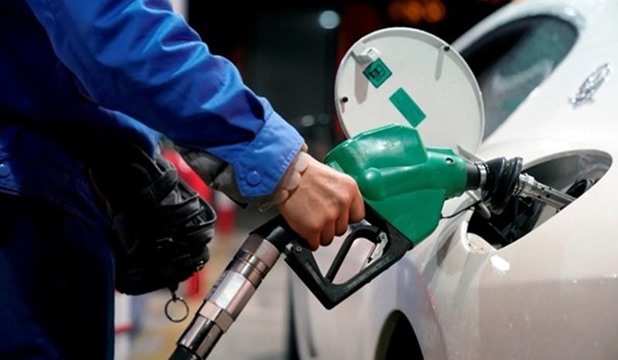
Egypt’s Automatic Pricing Committee has kept domestic fuel prices unchanged, preserving the current rates for gasoline, diesel, kerosene, vehicle gas and cooking-gas cylinders. The decision was announced on Thursday, October 15, after a review of the factors used in the country’s fuel-pricing mechanism, including exchange-rate movements and Brent crude prices during the July–September quarter compared with the previous quarter.
The committee also considered international petroleum-product prices, developments in local and global markets, and price measures taken in earlier periods. Its decision comes as oil markets have faced significant volatility. In its review of the third quarter, the U.S. Energy Information Administration reported that Brent crude prices rose amid persistent conflict in the Middle East and uncertainty over oil supplies. Those movements form part of the wider market backdrop against which governments assess fuel costs.
Egypt’s government had ordered the committee to resume its work, bringing the pricing mechanism back into operation after a pause. The committee’s review is intended to weigh market conditions against the costs and consequences of changing prices at home. Keeping prices steady means drivers and households will not face a new increase at the pump or for bottled gas as a result of this review.
Economist and parliamentarian Mohamed Fouad described the decision as a political choice intended to limit inflationary pressure. In comments reported by Al-Masry Al-Youm, he said fuel-price increases can feed into the cost of goods and services, adding to the burden on consumers. Holding prices, he argued, can soften that effect.
Fouad also cautioned that postponing an increase does not remove the underlying cost; it shifts the pressure elsewhere. He said that if the government sought to defer a rise for one quarter and applied a 30 percent hedging assumption, the state budget might have to absorb about 40 billion Egyptian pounds beyond planned allocations. The figure illustrates the fiscal trade-off involved in shielding consumers from higher fuel costs: relief at the pump can mean a larger burden on public finances.
The decision leaves the following retail prices in place:
- 80-octane gasoline: 20.75 Egyptian pounds per litre
- 92-octane gasoline: 22.25 pounds per litre
- 95-octane gasoline: 24 pounds per litre
- Diesel: 20.5 pounds per litre
- Kerosene: 20.5 pounds per litre
- Vehicle natural gas: 13 pounds per cubic metre
- Household butane cylinder, 12.5 kilograms: 275 pounds
- Commercial butane cylinder, 25 kilograms: 550 pounds
The unchanged rates matter beyond motorists. Diesel and kerosene are used across transport and other parts of the economy, while vehicle gas and bottled butane serve households and businesses. Any adjustment can therefore have consequences that extend beyond the direct cost of filling a car or replacing a cooking-gas cylinder. Transport costs, in particular, can influence the prices consumers pay for goods and services.
The committee’s decision does not eliminate exposure to global energy prices or currency movements. Instead, it keeps the immediate retail impact of those factors from changing at this review. The pricing formula takes account of the exchange rate as well as crude-oil and petroleum-product markets, but a single decision reflects conditions over a specified period and the government’s response to them.
For consumers, the practical result is straightforward: the prices listed above remain in force, with no adjustment announced on October 15. For the government, holding the line may help restrain near-term inflation, while requiring continued attention to the costs of supplying fuel and to the resources available in the state budget. The next decisions will depend on how those competing pressures develop.
