

Ahmed Kamel – Egypt Daily News
Egypt and Russia’s state-owned atomic energy corporation, Rosatom, have officially initiated bilateral negotiations regarding the construction of additional nuclear power units across the North African nation. Rosatom Chief Executive Officer Alexei Likhachev confirmed that the expanded discussions encompass the development of traditional stationary reactors alongside specialized small-capacity and floating nuclear power plants.
The cooperative energy initiative aims to significantly supplement the active multi-billion-dollar El Dabaa project by diversifying Egypt’s domestic production infrastructure. The sovereign nuclear strategy is specifically designed to provide highly reliable baseload electricity to the domestic grid, drastically lower carbon emissions, and preserve fossil gas reserves for lucrative international export.
Rosatom Confirms Timeline for Initial Fuel Deliveries and Power Grid Integrations
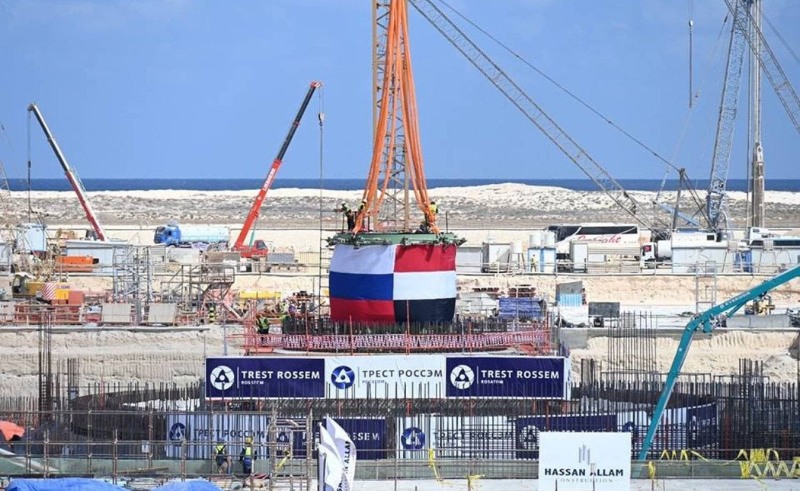
The Russian nuclear authority finalized the technical schedule for shipping specialized fuel elements to the under-construction El Dabaa facility. Likhachev verified that the initial deliveries of nuclear fuel are on track to arrive safely in Egypt during the first half of 2027.
Sovereign technical teams plan to officially connect the initial power unit to the national grid in 2028, with the remaining units scheduled to deploy gradually through 2030. The foundational El Dabaa blueprint involves the construction of four advanced, environmentally safe reactors capable of generating twelve-hundred megawatts of electricity each.
Egyptian Ministries Evaluate Small Capacity Plants to Meet Targeted Regional Industrial Needs
Egyptian Electricity Minister Mahmoud Esmat confirmed that the state administration is carefully analyzing technical proposals for small-capacity atomic infrastructure. The government plans to finalize its ultimate engineering choices based on localized regional demands and the expansion of nearby industrial zone projects.
The bilateral negotiations also feature comprehensive plans to build state-of-the-art nuclear medicine centers to modernize domestic healthcare capabilities. The rapid expansion of these specialized energy projects reinforces Egypt’s long-term objective to establish itself as a primary technological and logistical hub for North Africa.
