

Egypt Daily News – The European Union is weighing a range of political actions against Israel following findings last month that suggest Israel may have violated its human rights obligations under an existing agreement with the EU. A confidential document, seen by Reuters and circulated among EU member states on Thursday, outlines 10 potential measures, from symbolic steps to significant sanctions that could reshape the bloc’s relationship with Israel.
Among the most consequential proposals is suspending the EU-Israel Association Agreement, the cornerstone of diplomatic and trade relations between the two. Other measures include freezing tech collaborations, halting academic partnerships, and even restricting Israeli officials’ access to the EU.
Growing Frustration Over Gaza
The initiative comes amid increasing discontent within the EU over Israel’s military campaign in Gaza, which has drawn widespread criticism for its humanitarian impact. Member states have voiced concerns over Israel’s treatment of Palestinian civilians and the ongoing blockade’s effect on aid delivery.
Last month, a formal EU report raised “indications” that Israel had breached human rights clauses within its partnership agreement — prompting the EU’s diplomatic service to draft a set of policy response options.
While the final decision requires consensus or majority backing from the EU’s 27 member states, diplomats say there is no clear indication yet of sufficient political will to pursue the more severe options.
EU foreign ministers are expected to discuss the proposals at a high-level meeting in Brussels on Tuesday.
What’s on the Table?
The EU’s internal document lists a range of options that vary in scale and political weight, including:
- Partial or full suspension of the EU-Israel Association Agreement, especially the trade preferences and political dialogue elements.
- Freezing Israel’s participation in flagship EU programs, such as Erasmus+ for student exchanges and Horizon Europe, a multibillion-euro academic research initiative.
- Targeted sanctions against specific Israeli officials allegedly involved in human rights violations.
- A ban on arms exports to Israel, particularly weapons that could be used in Gaza.
- Visa restrictions for Israeli citizens, revoking current visa-free travel privileges.
- A ban on imports from Israeli settlements in the occupied Palestinian territories, either at the EU-wide level or implemented unilaterally by individual member states.
Notably, some of these measures such as sanctions or suspension of agreements, would require unanimous approval, making them politically challenging to enact.
Signs of Diplomatic Friction
The proposal reflects what many analysts see as growing EU frustration with Israeli Prime Minister Benjamin Netanyahu’s government. While the bloc has stopped short of imposing punitive action, the tone of recent reports and policy discussions marks a significant departure from traditional diplomatic caution.
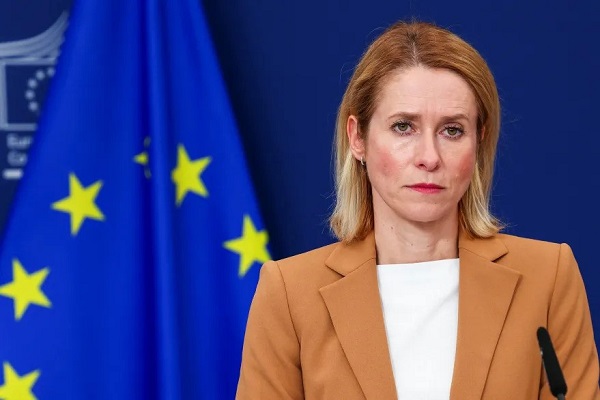
EU foreign policy chief Kaja Kallas confirmed on Thursday that the bloc had reached a preliminary understanding with Israel aimed at improving humanitarian conditions in Gaza. The agreement reportedly includes commitments to increase the number of aid trucks entering the enclave, reopen border crossings, and restore access routes for humanitarian operations.
However, the EU’s diplomatic service emphasized that such arrangements do not preclude further scrutiny or action.
Israel Pushes Back
Israeli officials have dismissed the EU report as biased and politically motivated. A senior Israeli official rejected last month’s findings, calling them “one-sided” and accusing the EU of applying “double standards” to Israel.
Israel maintains that its military actions in Gaza are both legal and necessary to defeat Hamas, following the militant group’s October 7, 2023, attack on southern Israel.
What Happens Next?
The outcome of Tuesday’s foreign ministers’ meeting will signal whether the EU is ready to move beyond rhetoric and impose tangible consequences for what it sees as potential human rights violations.
Even if no immediate consensus is reached, the internal circulation of such measures marks a shift in tone and perhaps the start of a new phase in EU-Israel relations, with human rights compliance now squarely in the spotlight.
