

Ahmed Kamel – Egypt Daily News
A reported U.S. proposal to significantly reduce military assets committed to NATO has triggered concern among European allies, raising fresh questions about the future of transatlantic defense cooperation and Europe’s ability to respond independently to a major security crisis.
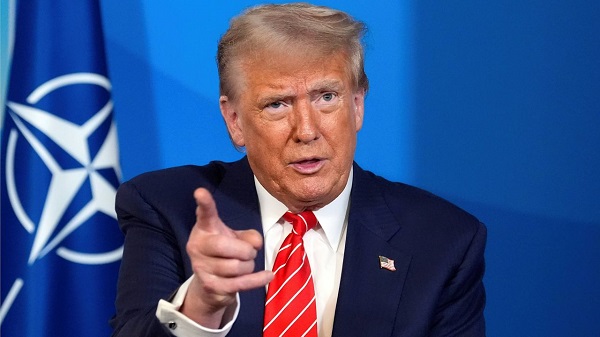
According to reports citing a classified briefing delivered to senior NATO officials in Brussels, representatives of the administration of U.S. President Donald Trump informed alliance members that Washington intends to scale back key military contributions currently earmarked for NATO operations in Europe.
The reported changes would represent one of the most significant shifts in U.S. military commitments to the alliance since the end of the Cold War.
Fighter jets, warships and submarines affected
The briefing was reportedly delivered by Alexander Velez-Green, a Pentagon envoy representing Defense Secretary Pete Hegseth.
According to accounts from officials familiar with the discussions, the United States plans to reduce by roughly one-third the number of fighter aircraft designated for NATO operations. The U.S. Navy would also remove destroyers currently assigned to the alliance’s force structure, while American submarines would no longer be included in NATO’s military planning framework.
The reported proposal would also shift responsibility for maintaining reconnaissance drone capabilities to European allies, requiring member states to fill gaps currently supported by American resources.
NATO defense model under pressure
The planned reductions would directly affect NATO’s Force Model, the military framework adopted after the 2022 Russian invasion of Ukraine.
The system outlines which troops, aircraft, naval vessels and military assets each member nation must make available to NATO commanders in the event of a conflict on European territory. Military planners designed the model to ensure rapid deployment and coordinated defense against potential threats, particularly along NATO’s eastern flank.
Officials reportedly expected some reduction in American commitments given Trump’s longstanding criticism of NATO burden-sharing. However, several participants were said to be surprised by both the scale and speed of the proposed changes.
Some officials reportedly interpreted the message as a warning that future U.S. military cooperation would depend on how quickly European governments increase defense spending and replace capabilities being withdrawn by Washington.
Europe faces growing pressure
The United States remains NATO’s dominant military power, accounting for approximately 62 percent of total alliance defense spending.
For years, Trump has argued that European allies have relied excessively on American military protection while failing to invest sufficiently in their own armed forces. That criticism has intensified during his second administration, with Washington repeatedly urging allies to increase defense budgets and assume greater responsibility for regional security.
The reported NATO proposal appears consistent with that broader strategy, which seeks to shift more of the defense burden onto European capitals.
Germany troop reduction adds to concerns
The latest reports come shortly after the Pentagon announced plans to reduce the American military presence in Germany by approximately 5,000 personnel over the coming months. The decision fueled speculation that Washington is pursuing a wider restructuring of its military posture across Europe.
The troop reduction also followed public disagreements between Berlin and Washington over several foreign policy issues, including strategy toward Iran and broader Middle East security concerns.
German Chancellor Friedrich Merz has previously expressed concerns about aspects of U.S. policy in the region, highlighting growing tensions within the alliance over strategic priorities.
Strategic shift or negotiating tactic?
It remains unclear whether the proposed cuts represent a final policy decision or part of a broader effort to pressure NATO members into accelerating military spending commitments.
Supporters of the move argue that Europe’s largest economies possess the resources necessary to assume greater responsibility for their own defense and that reducing U.S. commitments could encourage faster military modernization across the continent.
Critics, however, warn that a rapid reduction in American military assets could weaken NATO’s deterrence posture at a time when security concerns involving Russia remain high.
For now, alliance officials appear to be assessing the implications of the proposal while awaiting further clarification from Washington. If implemented, the changes would mark a major turning point in the balance of responsibilities within NATO and could reshape European security planning for years to come.
