

Ahmed Kamel – Egypt Daily News
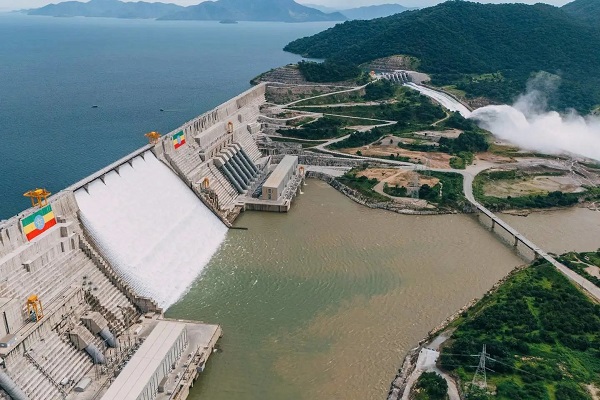
New satellite imagery of Ethiopia’s Grand Ethiopian Renaissance Dam (GERD) has revealed that the reservoir is still holding an estimated 42 billion cubic meters of water just as the annual flood season begins, prompting fresh concerns among water experts about how Addis Ababa will manage rising inflows in the months ahead.
According to Egyptian water resources expert Abbas Sharaky, the reservoir currently stands at approximately 625 meters above sea level, representing around two-thirds of the volume stored when Ethiopia announced the completion of the dam and its latest filling phase last September.
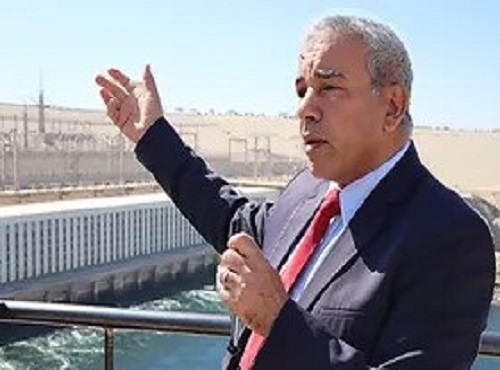
The timing of the storage level has attracted particular attention because the Blue Nile flood season is already underway and is expected to intensify significantly between July and October.
Reservoir Entered Flood Season With Massive Water Stockpile
Unlike conventional reservoir management strategies that often create additional storage capacity before major flood inflows arrive, the GERD entered the new rainy season while retaining a substantial volume of water behind the dam.
Sharaky estimated that approximately 42 billion cubic meters remain stored in the reservoir, compared with around 64 billion cubic meters reported at the conclusion of last year’s filling season.
Hydrological data indicate that inflows have already begun increasing. Water entering the reservoir averaged around 21 million cubic meters per day during May and is expected to climb sharply throughout June before reaching peak seasonal levels later in the summer.
The combination of high existing storage and increasing inflows could complicate dam operations if rainfall exceeds expectations during the coming months.
Experts Question Operational Strategy
The latest developments have renewed debate over Ethiopia’s management of the massive reservoir, which has only recently entered full operation following years of construction and filling. Water specialists note that operating one of Africa’s largest dams during major flood cycles presents challenges that differ significantly from the filling stages that dominated previous years.
According to Sharaky, Ethiopia now faces the task of balancing electricity generation, flood management and reservoir storage while preserving the structural and operational safety of the project. The expert argues that lower reservoir levels before the arrival of seasonal floods would have provided dam operators with greater flexibility to absorb incoming water volumes.
Instead, he says, the relatively high storage level leaves less room to accommodate additional inflows without increasing releases downstream.
Sudan Faces Greatest Immediate Risk
The issue extends beyond Ethiopia’s borders.
Among downstream countries, Sudan is widely viewed as the most vulnerable to abrupt operational decisions at the dam because of its geographic proximity to the GERD.
Experts have long warned that sudden large-scale releases from the reservoir could affect river conditions inside Sudan, particularly during periods when seasonal flooding is already raising water levels. The absence of a comprehensive operational agreement and real-time data-sharing mechanism between Ethiopia and downstream states has remained a central concern throughout the dispute.
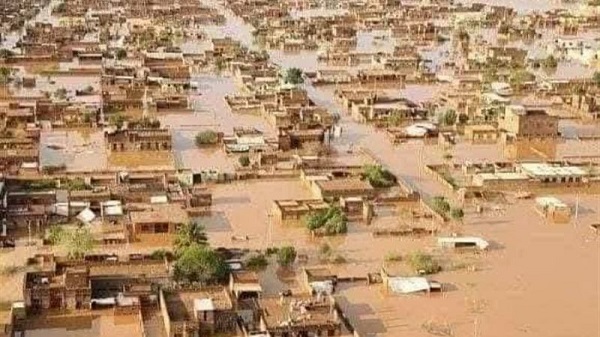
Critics argue that predictable coordination becomes even more important during flood seasons, when water management decisions can have immediate downstream consequences.
Technical Indicators Suggest Future Releases May Be Necessary
Analysis of recent satellite images suggests that reservoir levels have reached the elevation of the dam’s upper spillway structures.
According to Sharaky, if inflows continue increasing in line with seasonal forecasts, Ethiopian authorities may eventually need to rely on lower outlet gates and other discharge mechanisms to manage water levels. Whether such releases become necessary will depend largely on rainfall intensity during the coming months and the operating strategy adopted by dam managers.
The GERD, which has a total storage capacity of approximately 74 billion cubic meters, is entering what could be one of its most important operational tests since construction began more than a decade ago.
Long-Running Dispute Remains Unresolved
The latest concerns emerge against the backdrop of the continuing dispute between Egypt, Sudan and Ethiopia over the dam’s operation. Ethiopia views the project as a cornerstone of its economic development strategy and a critical source of hydroelectric power.
Egypt, meanwhile, considers Nile water a matter of national security and has repeatedly called for a legally binding agreement governing the filling and operation of the dam. Despite years of negotiations and multiple mediation efforts, the three countries have yet to reach a comprehensive settlement.
As the Blue Nile enters the peak flood season, attention is once again shifting from the construction of the GERD to a new question: whether Ethiopia can successfully manage one of the world’s largest reservoirs during periods of extreme seasonal inflow while avoiding downstream disruptions and maintaining confidence in the dam’s long-term operation.
