

Ahmed Kamel – Egypt Daily News
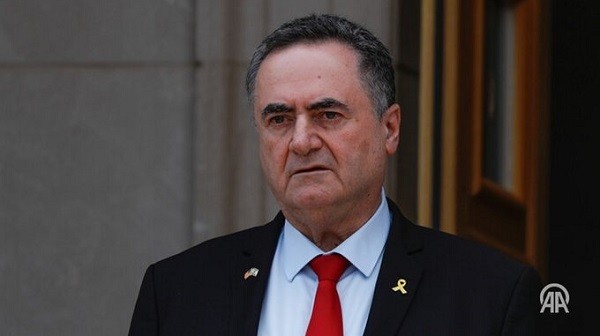
Hopes for a rapid de-escalation along the Israeli-Lebanese border were thrown into doubt on Thursday after Israeli Defense Minister Israel Katz declared that Israeli troops would remain inside southern Lebanon and continue military operations despite a newly announced ceasefire agreement.
The statement came less than a day after Washington brokered a new understanding between Israel and Lebanon that was presented as a step toward ending months of fighting between Israeli forces and Hezbollah.
Rather than outlining a withdrawal timetable, Katz indicated that Israeli forces would maintain their presence in what Israel describes as a security zone inside southern Lebanon. He also said the military would continue targeting Hezbollah infrastructure and retain the ability to strike elsewhere in Lebanon if attacks against Israel resumed.
The remarks immediately raised questions about how the ceasefire will be implemented and whether both sides share the same interpretation of the agreement.
For many residents of southern Lebanon, the most significant part of Katz’s statement was not his comments about military operations but his indication that displaced civilians would not yet be permitted to return to their homes. Thousands of Lebanese families remain unable to return to communities near the border after months of conflict and repeated waves of displacement.
The latest ceasefire is the third major attempt this year to halt hostilities. Previous understandings reached in April and May reduced violence temporarily but failed to produce a lasting end to the conflict.
Israeli officials argue that any ceasefire can only survive if Hezbollah halts attacks and military activity near the border. Lebanese officials, meanwhile, have repeatedly called for a complete Israeli withdrawal from Lebanese territory and the full implementation of existing international agreements governing the frontier region.
The continued presence of Israeli troops inside southern Lebanon could emerge as one of the first major tests facing the new agreement. While the ceasefire has been welcomed diplomatically by Washington and other international actors, the situation on the ground remains uncertain.
With neither side yet outlining a detailed implementation mechanism, attention is now shifting from the ceasefire announcement itself to whether the agreement can translate into tangible changes for civilians living along one of the Middle East’s most volatile borders.
