

Ahmed Kamel – Egypt Daily News
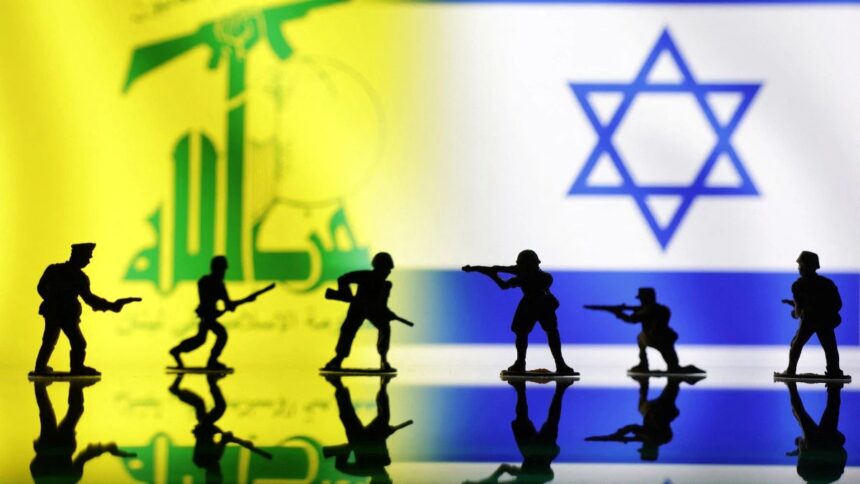
Hezbollah has openly rejected a newly announced ceasefire framework between Israel and Lebanon, dealing a significant blow to U.S.-led diplomatic efforts aimed at calming months of conflict along the border and reducing the risk of a wider regional war.
In a forceful statement on Friday, Hezbollah Secretary-General Naim Qassem dismissed the agreement as both ineffective and degrading for Lebanon, arguing that the negotiations had produced terms that served Israeli interests while demanding major concessions from Lebanon.
The Iran-backed movement was not directly involved in the negotiations that led to the latest agreement, which was reached after several rounds of talks mediated by the United States. Nevertheless, Hezbollah’s position could prove decisive in determining whether the deal survives beyond the diplomatic stage.
At the center of the dispute is a provision requiring Hezbollah fighters to withdraw from areas between the Israeli border and the Litani River, a stretch of territory extending roughly 30 kilometers into southern Lebanon. The agreement also envisions the creation of security zones overseen exclusively by the Lebanese Armed Forces, with all non-state armed groups barred from operating inside them.
For Hezbollah, those conditions amount to a strategic retreat without corresponding guarantees from Israel.
Qassem described the arrangement as a formula that would effectively achieve Israeli military objectives through negotiations rather than battlefield victories. According to the Hezbollah leader, the proposed ceasefire asks the group to halt military operations and abandon positions in southern Lebanon while offering little assurance that Israeli military actions would cease permanently.
The rejection creates a new challenge for Lebanese authorities, who had hoped the agreement would provide a pathway toward reducing violence and stabilizing the country’s south after months of cross-border attacks, air strikes and military incursions.
The announcement also complicates efforts by U.S. President Donald Trump, who has personally promoted the talks and expressed optimism about the prospects for peace. Trump said he had spoken with both Israeli Prime Minister Benjamin Netanyahu and representatives linked to Hezbollah through intermediaries, suggesting that progress was being made despite lingering disagreements.
“It would be really nice if Lebanon could have some peace,” Trump said, describing a country that has endured decades of conflict and instability.
Yet on the streets of Beirut’s southern suburbs, a stronghold of Hezbollah known as Dahieh, many residents appeared deeply skeptical of the agreement.
Business owners interviewed following the announcement questioned how a ceasefire could succeed if military operations continued on the ground. Several residents argued that any truce requiring concessions from only one side would be viewed not as a peace agreement but as a capitulation.
Their reaction reflects a broader challenge facing Lebanese leaders. While many Lebanese citizens oppose Hezbollah’s military dominance and fear being drawn into regional conflicts, there is also widespread anger over Israel’s military campaign and little appetite for arrangements perceived as being imposed under pressure.
The agreement follows a temporary understanding announced earlier this week under which Israel would refrain from striking Beirut while Hezbollah would suspend attacks across the border. The latest deal seeks to build on that framework by introducing security mechanisms intended to separate combatants and reduce the risk of renewed escalation.
However, key details remain unresolved. Officials have not released maps identifying the proposed security zones, nor have they explained how the arrangements would be enforced on the ground. Representatives from Israel and Lebanon are scheduled to meet again on June 22 for additional negotiations aimed at reaching a more comprehensive settlement.
For Washington, the stakes extend beyond Lebanon itself. American officials view stability on the Lebanese front as an important component of wider diplomatic efforts involving Iran, which has repeatedly insisted that any regional agreement must address the conflict between Israel and Hezbollah.
By rejecting the deal outright, Hezbollah appears determined to maintain its position as the primary force confronting Israel in Lebanon, while portraying political negotiations as insufficient to secure Lebanese interests. Whether that stance strengthens the group’s domestic standing or deepens Lebanon’s isolation remains an open question as fighting and diplomatic maneuvering continue simultaneously.
With both sides still trading accusations and distrust running deep, the path toward a durable ceasefire appears far more uncertain than diplomatic announcements alone might suggest.
