

Ahmed Kamel – Egypt Daily News
A diplomatic corridor opens in Cairo once again
Cairo moved back to the center of Gaza ceasefire diplomacy on June 7, 2026, hosting a high-level meeting that brought together key regional mediators and Palestinian representatives in an effort to push the stalled agreement into its next phase.
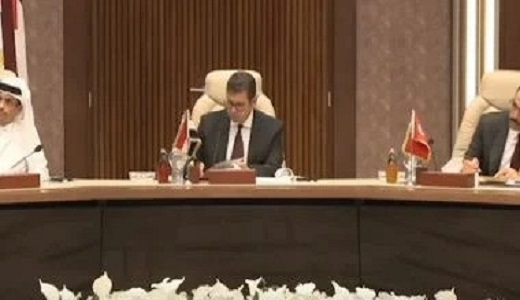
The gathering, described by sources as “high-level and expanded,” brought together Egyptian intelligence chief Hassan Rashad, Qatari Prime Minister and Foreign Minister Sheikh Mohammed bin Abdulrahman Al Thani, and Turkish intelligence chief Ibrahim Kalin, alongside representatives of several Palestinian factions. The meeting reflected a widening mediation framework that increasingly relies on coordinated regional pressure rather than isolated bilateral channels.
Pressure builds on implementation rather than negotiation
Unlike earlier rounds focused on securing a ceasefire framework, this latest round in Cairo centered on a more difficult question: how to actually implement what has already been agreed.
According to sources cited by Extra News, mediators shifted attention toward enforcing the remaining provisions of the agreement, particularly those tied to the second phase of the ceasefire roadmap. The tone of the discussions was described as constructive, but with clear recognition that delays in implementation risk undermining the entire framework.
Egypt, in particular, continued to position itself as the central coordinator of the process, leveraging its longstanding mediation role between Israel and Palestinian factions, while also aligning with Qatar and Türkiye in maintaining diplomatic pressure for continuity.
A shared message: keep the agreement alive
Participants reportedly expressed appreciation for Egypt’s sustained diplomatic efforts, with emphasis placed on maintaining momentum behind the ceasefire framework and preventing a slide back into escalation.
The meeting also revisited broader political understandings linked to international peace initiatives, including references to previously outlined frameworks that envision phased stabilization followed by reconstruction planning. While no formal breakthroughs were announced, the alignment among mediators suggested an attempt to preserve a functioning consensus rather than reopen negotiations from scratch.
Roadmap talks and fragile consensus
At the core of the discussions was a proposed roadmap for advancing the next stage of the agreement, particularly ensuring that earlier commitments are not left partially implemented.
Mediators reportedly agreed on the need to keep pressure on all parties to fulfill their obligations, while simultaneously avoiding steps that could collapse the fragile truce. The balancing act between enforcement and de-escalation remains the defining feature of this phase of negotiations.
Beyond ceasefire: the shadow of reconstruction
While security arrangements dominated the agenda, the long-term question of Gaza’s reconstruction remained in the background of the talks. Diplomats stressed that any sustainable calm would eventually require not only political alignment but also a coordinated rebuilding effort capable of addressing the humanitarian situation on the ground.
For now, however, Cairo’s message was procedural rather than transformative: keep the agreement intact, push it forward step by step, and avoid letting the ceasefire drift into political paralysis.
