

Ahmed Kamel – Egypt Daily News
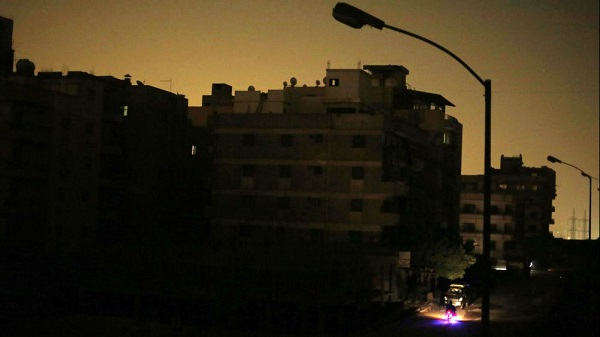
A severe infrastructure crisis has left multiple provincial towns and agricultural villages completely gridlocked across the governorates of Qalyubia, the Red Sea, Port Said, Sharqia, and Minya. Local monitoring boards confirmed that prolonged, unannounced electrical grid collapses are occurring for multiple hours at irregular intervals without any prior warning to local populations.
The widespread power failures have triggered immense public resentment and anxiety as families struggle to cope with soaring summer temperatures and oppressive humidity levels during July. State grid administrators and regional electricity distribution entities attributed the ongoing systemic instability to unprecedented peak thermal loads and excessive physical strain on national transmission networks.
Frustrated Communities Demand Parliamentary Intervention to Announce Emergency Mitigation Roadmaps
Disgruntled citizens have officially petitioned regional governors and parliamentary representatives to swiftly intervene and resolve the worsening domestic energy crisis. Local consumer advocacy groups demanded that the Ministry of Electricity transparently publish the structural causes of the load-shedding and outline clear timeframes for service restoration.
The persistent grid failures have caused massive financial damages for ordinary households by destroying expensive home appliances due to sudden voltage surges. Furthermore, the rolling blackouts have repeatedly disabled localized water pumping stations, resulting in simultaneous utility cuts that sever clean drinking water access for entire rural neighborhoods.
Unannounced Load Shedding Transforms Residential Units Into Hazardous Thermal Traps
Sovereign healthcare monitors warned that the daily electricity disruptions pose immediate physiological dangers to vulnerable populations, including newborn infants and the elderly. Families caring for chronic patients expressed deep distress over the unpredictable power cuts, which routinely disable life-support equipment and oxygen concentrators.
The complete absence of official corporate timelines regarding the duration of the rolling blackouts has heightened anxiety inside residential high-rises. Affected communities noted that losing mechanical ventilation during peak afternoon hours transforms traditional concrete apartments into unbearable, stagnant heat traps.
Commercial Establishments Face Severe Financial Damage from Spoiled Inventories and Network Drops
The extensive utility crisis has simultaneously paralyzed local commercial activity across major municipal market sectors and metropolitan trading zones. Owners of grocery franchises, major supermarkets, restaurants, and local cafes reported direct financial losses as commercial coolers fail to maintain safe internal temperatures.
The persistent refrigeration shutdowns create immediate threats of rapid food spoilage, forcing merchants to continuously discard high-value perishable products. Concurrently, the rolling grid drops routinely disable electronic payment terminals, point-of-sale systems, and local internet connectivity, preventing retailers from processing consumer transactions.
