

Ahmed Kamel – Egypt Daily News
President Donald Trump and Iranian President Masoud Pezeshkian have signed an initial agreement aimed at ending months of hostilities between the United States and Iran, reopening the Strait of Hormuz, easing sanctions, and restarting negotiations over Tehran’s nuclear program.
The agreement, which took immediate effect following its signing, establishes a 60-day framework for both sides to negotiate a broader and more permanent settlement. Pakistani Prime Minister Shehbaz Sharif, who played a key role in mediating the talks, announced that the deal had officially entered into force.
The accord marks a significant diplomatic breakthrough after a conflict that disrupted global energy markets and heightened tensions across the Middle East. However, many details remain unresolved, and both governments have indicated that difficult negotiations still lie ahead.
Major Concessions and Commitments
Under the terms outlined by officials from both countries, Iran has agreed to dilute its stockpile of highly enriched uranium under international monitoring. In return, the United States will begin waiving key sanctions that have restricted Iran’s economy for years, including measures that limited the country’s ability to export oil.
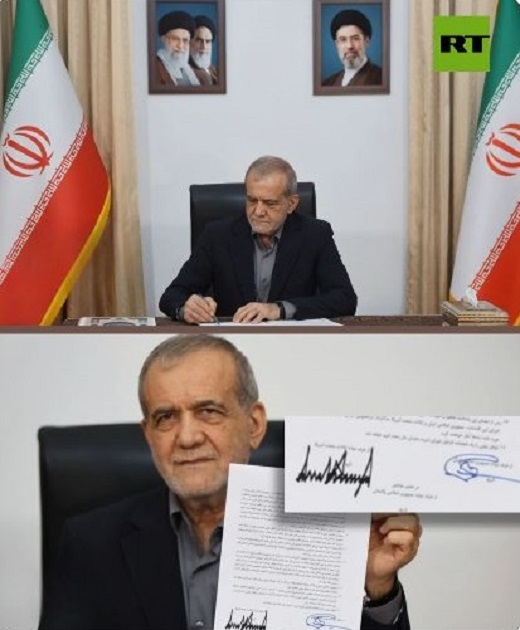
The sanctions relief represents one of the most significant concessions made by Washington. Iranian oil exports are expected to resume freely, potentially restoring tens of billions of dollars in annual revenue to Tehran and easing pressure on global energy supplies.
The agreement also calls for a permanent cessation of hostilities between the two nations. While President Trump praised the deal as a strong step toward peace, he emphasized that military action could resume if negotiations fail.
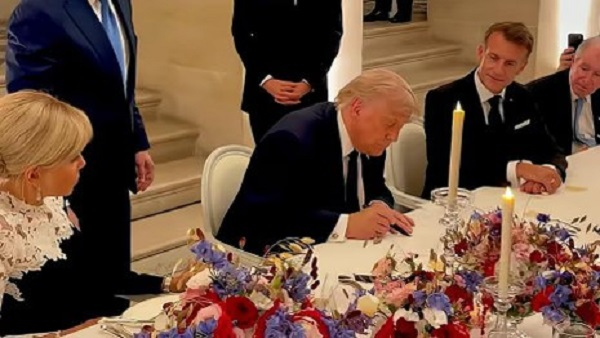
“This was not easy,” Trump said before signing the agreement during a ceremony held alongside French President Emmanuel Macron at the Palace of Versailles.
Reopening the Strait of Hormuz
One of the most immediate impacts of the agreement is the reopening of the Strait of Hormuz, a critical maritime passage through which a substantial portion of the world’s oil and natural gas trade flows.
The closure of the strait during the conflict triggered sharp increases in global energy prices and disrupted international shipping. Under the new arrangement, vessels will be permitted to pass through the waterway without tolls for at least two months, while efforts continue to restore traffic to prewar levels.
Analysts believe the reopening of the strait could help stabilize global markets and reduce pressure on consumers facing higher fuel and transportation costs.
Nuclear Talks Resume
The agreement restarts negotiations over Iran’s nuclear program, an issue that has dominated relations between Washington and Tehran for more than two decades.
International inspectors are expected to monitor Iran’s uranium downblending process as part of confidence-building measures. However, the interim accord does not yet establish a permanent framework for enrichment limits or future nuclear restrictions.
The negotiations are expected to determine whether sanctions can be lifted permanently and whether Iran will accept additional constraints on its nuclear activities.
Regional Challenges Remain
Despite the breakthrough, significant obstacles remain. One of the most contentious issues involves Lebanon and the presence of Israeli forces in southern Lebanese territory.
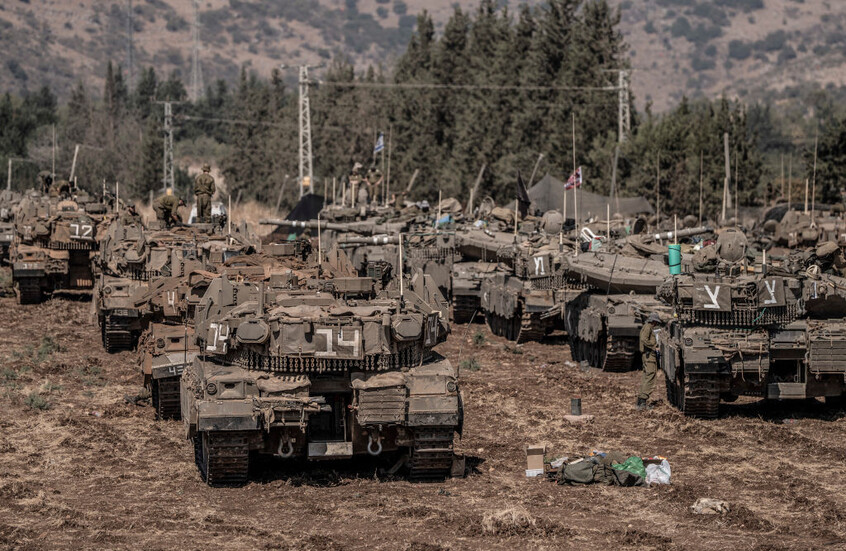
The agreement reaffirms support for Lebanon’s territorial integrity, but Israeli officials have stated that military forces will remain in designated security zones and continue operations against perceived threats. These differences could complicate broader regional diplomacy and test the durability of the new U.S.-Iran understanding.
Political Reactions
The deal is already generating strong reactions in Washington and abroad. Critics argue that the agreement grants Iran substantial economic benefits before securing long-term commitments on nuclear restrictions.
Supporters, however, contend that the accord reduces the risk of a wider regional war, lowers energy prices, and creates an opportunity for a comprehensive diplomatic settlement.
President Trump defended the agreement against critics, arguing that the arrangement has already contributed to falling oil prices and renewed confidence in financial markets.
Whether the accord ultimately succeeds will depend on the outcome of the upcoming 60-day negotiations. For now, the agreement has paused a dangerous conflict and opened a new chapter in one of the world’s most challenging diplomatic relationships.
