

Ahmed Kamel – Egypt Daily News
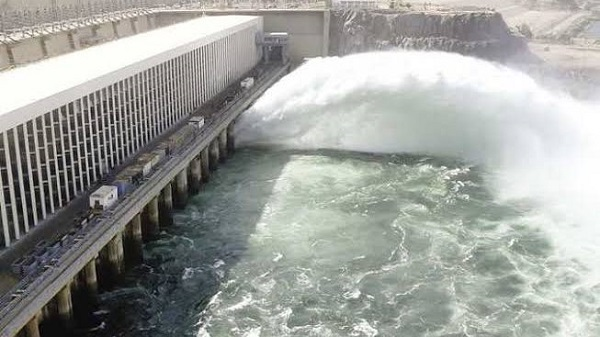
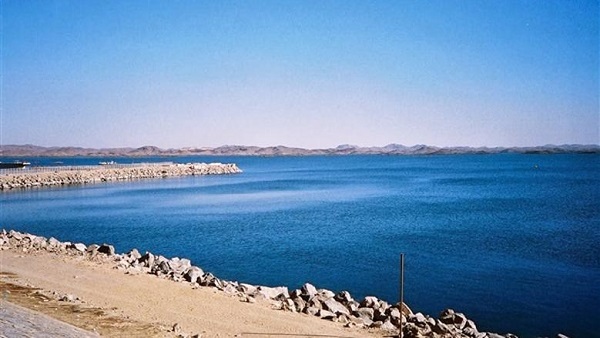
Egypt has officially commenced its new hydrological year on August 1, 2026, marking the annual arrival of fresh floodwaters at Lake Nasser and the Aswan High Dam. This strategic seasonal transition shifts national attention toward the monitoring stations in southern Egypt as the initial river inflows arrive from the Ethiopian highlands and Equatorial plateau. With the official launch of the 2026/2027 water cycle, the Ministry of Water Resources and Irrigation has declared a state of maximum emergency to regulate the country’s scarce water resources.
The specialized Nile River Inflow Committee has initiated round-the-clock technical surveillance to monitor hydraulic indicators, sediment volumes, and water levels entering the primary reservoir. This state monitoring infrastructure is vital to calculate annual water allocations and formulate highly precise distribution roadmaps across all sovereign sectors.
The physical measurement data collected during the initial phase of the flood serves as the baseline reference point for the cabinet to establish the country’s macro-water budget for the entire year.
The resulting allocation matrix is meticulously engineered to satisfy the baseline requirements of municipal drinking water networks, industrial manufacturing zones, and extensive agricultural irrigation grids. Concurrently, engineers utilize the incoming volume to stabilize the direct navigation depth of the Nile mainstream, safeguarding year-round river transport corridors from seasonal drops.
Government hydrologists emphasize that Egypt’s domestic water system utilizes advanced digital telemetry and remote sensing technologies spanning from the upstream river basins down to local irrigation channels. This strict technological oversight ensures maximum utility for every cubic meter of water amid persistent climate changes and fluctuating transboundary river flows.
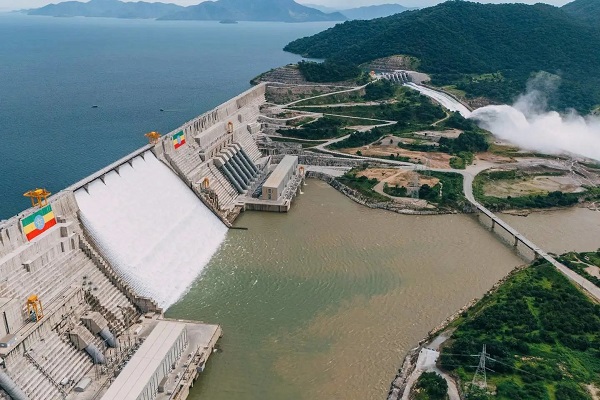
However, this year’s hydrological kickoff is overshadowed by deep geopolitical anxieties regarding the Grand Ethiopian Renaissance Dam (GERD). The unilateral operation and ongoing filling phases of the mega-dam by Addis Ababa present severe existential threats to Egypt’s long-term water security. Egyptian state advisors and independent hydrologists warn that uncoordinated management of the GERD during periods of multi-year drought could permanently reduce Egypt’s water share below its historical baseline of 55.5 billion cubic meters.
The negative expectations surrounding the GERD extend across Egypt’s vital agricultural sector, which relies almost entirely on the Nile for irrigation. Even a minor, temporary reduction in downstream water flows could dry up hundreds of thousands of acres of fertile farmland across the Nile Delta, destroying rural livelihoods and escalating national food insecurity.
Furthermore, a drop in the water level of Lake Nasser would drastically reduce the electricity generation capacity of the Aswan High Dam’s turbines, compounding the country’s existing residential power grid deficits.
Environmental scientists also warn of worsening soil salinity in the northern Delta as decreased freshwater pressure allows Mediterranean seawater to seep further inland, permanently ruining agricultural soil quality. Despite these compounding environmental and structural hazards, Ethiopia continues to reject a legally binding treaty on the dam’s operation, forcing Egypt to implement aggressive wastewater recycling, seawater desalination, and strict crop cultivation limits to artificially cushion its structural water deficit.
