

Ahmed Kamel – Egypt Daily News
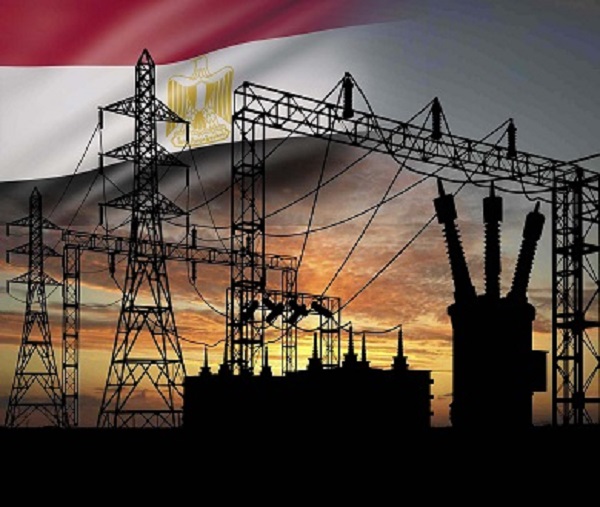
The Egyptian Ministry of Electricity’s newly implemented twelve percent residential tariff increase has sparked intense national debates regarding the economic survival of middle-class families. Prominent financial analysts and sociological experts warn that the consecutive utility hikes are systematically crushing consumer purchasing power across major metropolitan sectors.
The severe fiscal adjustments hit households already struggling against structural inflation, surging healthcare costs, and multi-layered education expenditures without receiving substantial state support or wage growth.
Compounding the domestic utility crisis, the aggressive price hikes coincide with the sudden administrative removal of thousands of middle-income families from government food and commodity subsidy registries. While state grid administrators argue that restructuring electricity pricing is vital to offset rising generation costs, independent economists maintain that the decision creates far-reaching social risks. The sharp baseline adjustments follow a previous April tariff expansion that targeted commercial entities, permanently driving up overhead costs for local retail and manufacturing industries.
Academics Criticize Financial Centric Fiscal Policies and Demand Systemic Energy System Reforms
Dr. Sherine Shawarby, Professor of Economics and Dean of the Faculty of Politics and Economics at Mayo University, strongly criticized the state’s reliance on price increases as a shortcut to fiscal reform. Shawarby, who concurrently serves as Secretary-General of the Awareness Party, asserted that viewing utility sustainability strictly through a financial lens entirely ignores crumbling living standards. She maintained that meaningful structural reform requires reducing commercial grid waste and optimizing operational efficiency rather than continuously shifting the entire financial burden onto ordinary consumers.
Shawarby highlighted that except for the highly restrictive lowest consumption tier, almost all residential brackets are heavily impacted by the current summer tariff adjustments. The economic expert warned that forcing families to absorb high-volume billing spikes during peak summer heat waves transforms basic climate control from a standard necessity into an unaffordable luxury.
She called on the government to deploy comprehensive social protection measures, warning that suppressing domestic demand will permanently stall nationwide economic activity and industrial investment.
Subsidy Cuts and Unequal Utility Tiers Push Disproportionate Financial Burdens Onto Moderate Wage Earners
Echoing these structural concerns, Dr. Ymen El-Hamaki, Professor of Economics at Ain Shams University, noted that the Egyptian middle class has been disproportionately penalized by cumulative living pressures. El-Hamaki pointed out that the steep utility increases create sudden, aggressive jumps in monthly bill totals due to the deeply flawed structure of existing consumption tiers. She argued that the exempted bracket is far too narrow to shield impoverished families, meaning that every consecutive service hike directly diminishes the disposable income required to finance basic housing and nutrition.
From a sociological perspective, Dr. Samia Khadr, Professor of Sociology at Ain Shams University, linked the domestic grid pressures to global energy market disruptions and active maritime blockades along the Strait of Hormuz. Khadr emphasized that while citizens are generally more resilient when governments communicate transparently, the absolute lack of direct official justification regarding these utility hikes has severely eroded public trust.
She concluded that because recent electricity price surges remain completely disconnected from stagnant national wage growth, moderate-income households are rapidly fracturing under the weight of persistent economic shocks.
