

Ahmed Kamel – Egypt Daily News
U.S. President Donald Trump responded angrily on social media after former President Barack Obama mocked the White House renovations during campaign appearances in Ohio and Michigan. Trump called Obama “grossly incompetent” and criticized his record on Iran and past Democratic candidates, while also attacking Michigan Senate candidate Abdul El-Sayed, whom Obama had endorsed.
The dispute unfolded as the 2026 midterm campaign entered its final stretch. On Saturday, October 24, Obama appeared at a rally in Cleveland supporting Democratic Senate candidate Sherrod Brown and gubernatorial candidate Amy Acton. He criticized Trump’s attention to renovations at the White House, including a ballroom project, changes to the Rose Garden and a new helicopter landing area.
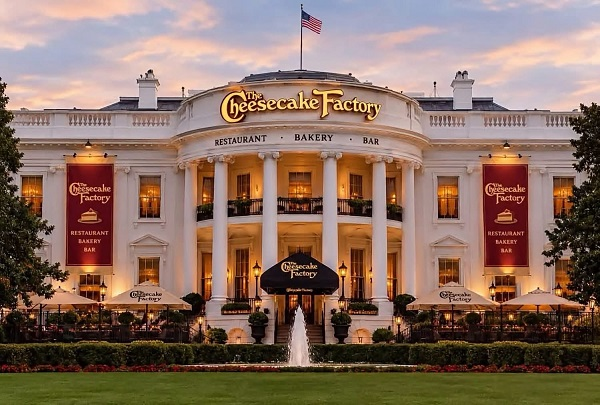
“I don’t know if you’ve noticed, but he seems very focused on home renovations,” Obama told the crowd. “He should be on HGTV.” He then joked about the gold décor, saying Trump had made the White House look “like Saddam Hussein opened a Cheesecake Factory.” The remark drew laughter from the audience.
Obama’s comments were part of a broader attack on the president’s priorities. He argued that Trump was emphasizing construction and decoration while voters were concerned about the cost of living and other problems. At the Cleveland event, Obama urged supporters to back Brown and Acton in the November 3 elections.
Trump answered in a post published on Truth Social early Sunday. He described Obama as “grossly incompetent” and accused his predecessor of giving Iran billions of dollars and creating a path for the country to obtain a nuclear weapon. Those assertions reflect Trump’s longstanding criticism of the 2015 Iran nuclear agreement, which he withdrew the United States from in 2018. The agreement had imposed restrictions and inspections on Iran’s nuclear program in exchange for sanctions relief.
Trump also attacked Obama over his support for Hillary Clinton in 2016 and Kamala Harris in 2024, both of whom lost presidential elections to Trump. He then turned to Obama’s support for El-Sayed, a Democratic Senate candidate in Michigan and a physician who previously worked in public health.
In the post, Trump called El-Sayed a “Fake Doctor” and used the label “Muslim Brotherhood Jihadist,” while claiming that El-Sayed hated Jews, Black people, Americans and Trump. Trump offered no evidence for those allegations in the post. He urged Michigan voters to support Republican Senate candidate Mike Rogers and claimed credit for gains in the state’s auto industry, employment and military presence.
El-Sayed has faced attacks from Republicans focused on his Muslim identity and background. Obama addressed those attacks at a rally in Detroit, where he campaigned for El-Sayed and Michigan gubernatorial candidate Jocelyn Benson. He said political opponents use fear and division to portray candidates as dangerous or un-American, adding that El-Sayed was born and raised in Michigan.
The events in Ohio and Michigan formed part of Obama’s effort to mobilize Democratic voters in competitive races. The midterm elections will determine control of Congress, and both parties have been campaigning heavily in battleground states. Obama’s appearances gave Democrats a prominent surrogate, while Trump has also urged voters to support Republican candidates and has portrayed the election as a test of his administration’s agenda.
Trump’s Truth Social response also repeated his claims about Iran and the nuclear agreement, making foreign policy another point of contention between the two presidents. Obama has defended the agreement, arguing that it restricted Iran’s nuclear activities. Trump has said it was inadequate and that withdrawing from it was necessary.
The exchange illustrates how the campaign has extended beyond the candidates’ policy platforms into a personal contest between the current and former presidents. Obama’s Cheesecake Factory joke focused on the appearance and scale of Trump’s White House projects. Trump’s reply moved quickly to Obama’s presidency, the Iran deal and Democratic candidates seeking office.
Neither side’s remarks changed the underlying electoral contest, but they drew attention to the final weeks of campaigning in Michigan and Ohio. Obama sought to present the midterms as a chance for voters to hold the administration accountable, while Trump used his post to promote Rogers and attack El-Sayed. The sharp language underscored how national figures are shaping local races as voters prepare to decide control of Congress on November 3.
