
Ahmed Kamel – Egypt Daily News
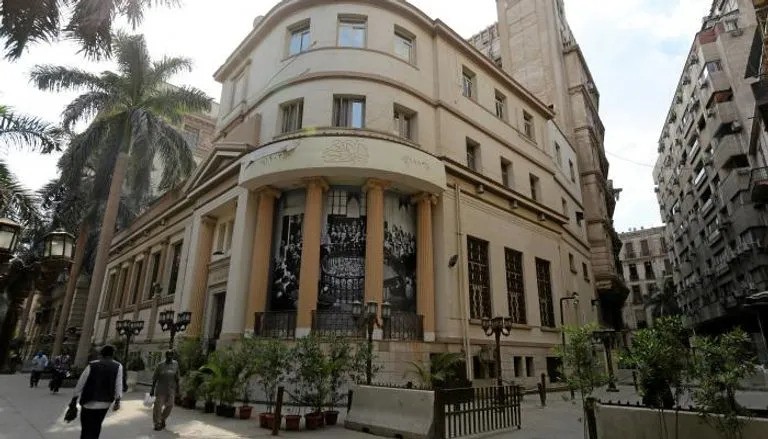
Egyptian shares fell sharply on Sunday as investors sold across the market, prompting the Egyptian Exchange to halt trading for 30 minutes. The sell-off came as large share offerings competed for available cash, the Egyptian pound weakened against the U.S. dollar and regional tensions weighed on investor sentiment.
The EGX30, Egypt’s benchmark index, dropped about 3.6%. The EGX70, which tracks smaller and medium-sized companies, fell by around 11%, while the broader EGX100 declined by 10% during the session. The exchange’s circuit-breaker rules require a temporary halt when the EGX100 falls by that amount. The pause was the first of its kind since October 2021.
The market’s total capitalization fell by approximately 171 billion Egyptian pounds, ending the session at about 3.78 trillion pounds. The losses extended a decline that had built over several weeks: since the close on October 6, the market had shed more than 435 billion pounds, or about 10%, according to the figures reported for the session.
The pressure comes as investors weigh two major share offerings. MNT-Halan, the Egyptian business of fintech group MNT-Halan, began trading after selling 20% of its shares for 7.84 billion pounds at 24.50 pounds a share. The stock initially rose as much as 18% on its first day of trading, but on Sunday it fell back to the offer price, erasing those early gains.
A second large transaction is the planned sale of shares in Banque du Caire. The government has increased the proposed stake for sale from 30% to 45%, a change that could raise the value of the offering to about 36.4 billion pounds at the upper end of the announced price range. The sale has attracted strong investor demand, adding to competition for funds that might otherwise be directed toward shares already listed on the exchange.
Market participants cited a combination of factors behind the decline, rather than a single trigger. New offerings can draw money away from existing stocks as investors reserve capital for subscriptions. At the same time, investors who have borrowed to buy shares may face pressure to sell if prices fall, potentially adding to the pace of a market decline. Geopolitical concerns have also unsettled sentiment.
Currency weakness is adding to those concerns. The dollar approached 56 pounds, close to a record level, increasing uncertainty for investors assessing the value of Egyptian assets and the returns on pound-denominated investments. A weaker currency can reduce the dollar value of investments for foreign holders and may raise costs for businesses that rely on imported inputs.
Foreign investment flows into Egyptian government debt have also been in focus. Estimates cited by EFG Hermes put foreign outflows from local debt instruments at between $800 million and $900 million during a week earlier in October. Foreign holdings were reported at about $28 billion, down from a peak of $35 billion at the end of June. The figures underline how changes in currency expectations and perceived regional risk can influence demand for Egyptian assets.
The pressure arrives ahead of the Central Bank of Egypt’s next interest-rate meeting, scheduled for Thursday. Eleven financial institutions and investment banks surveyed by Asharq Bloomberg expected the central bank to keep rates unchanged. The weaker pound and higher energy and commodity prices have narrowed the room for rate cuts, even as annual urban inflation slowed in September.
Sunday’s trading halt marked an unusually sharp single-session move, but it also reflected pressures that had accumulated across the market: substantial new share sales, leveraged positions, currency depreciation and geopolitical uncertainty. The rebound or further decline of share prices will depend partly on how investors respond to the IPO pipeline and the currency outlook, as well as the central bank’s policy decision. For now, the simultaneous pull on market liquidity from new offerings and selling in existing stocks has left Egyptian equities vulnerable to further volatility.
