

Egypt Daily News – Egypt News.
Egypt Delays Five LNG Shipments in November as Cargo Costs Double has risen to more than $100 million, according to a government official cited in the supplied report. The delay leaves 10 cargoes expected to be received during the month, compared with about 12 in October.
The official said the five postponed shipments were part of 15 cargoes contracted for November. Their delivery dates are being pushed back amid a sharp rise in import costs: the price of a single cargo has increased by 100% compared with September, surpassing $100 million. The official estimated that Egypt would need around $1 billion for LNG imports in November, in line with allocations in the current fiscal-year budget.
The postponements are part of a broader effort to manage the timing and cost of imports while domestic production remains below the level needed to meet demand. Between July and November, Egypt has deferred receipt of about 15 LNG cargoes, the official said. Those shipments are expected to arrive in 2027, using regasification vessels at Ain Sokhna in Egypt and Aqaba in Jordan.
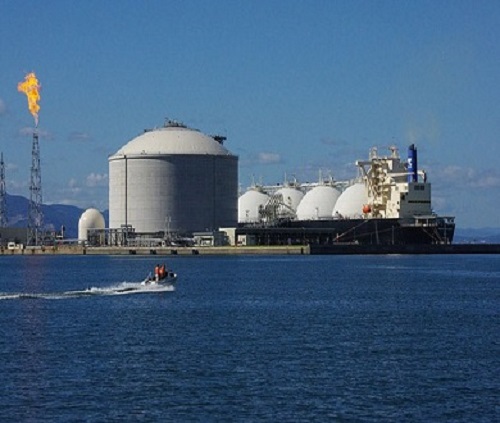
Regasification vessels receive LNG in its liquid form, convert it into gas and feed it into the national network. The vessels are therefore central to Egypt’s ability to bring imported gas into the domestic market.
Regasification capacity and vessel costs
Egypt pays about $18.5 million a month to lease four regasification vessels, according to the official. Three Hoegh Galleon, Energos Power and Energos Eskimo are operating at Ain Sokhna, while a fourth vessel is stationed at Aqaba in southern Jordan.
Together, the vessels can regasify about 2.75 billion cubic feet of gas per day. That total does not include Energos Winter, which was taken out of service after a fire at Damietta port at the end of July.
Egypt is also due to receive the Norwegian vessel Hoegh Gandria at Ain Sokhna in early December under a 10-year lease agreement valued at about $600 million in total. It is expected to replace Hoegh Galleon when that vessel’s contract ends in February. Hoegh Gandria has a regasification capacity of 1 billion cubic feet per day and can store about 170,000 cubic metres of LNG.
The arrangements reflect the scale of infrastructure required to handle imports while local gas supplies fall short of consumption. The government’s strategy is to lease three regasification vessels and use spare capacity from a fourth vessel in Jordan under an agreement between the two countries.
Production shortfall drives import needs
Egypt’s Petroleum Ministry is working with foreign partners to accelerate development of new wells and connect them to production, in an effort to increase supplies and offset the natural decline of existing fields. The decline is estimated at about 120 million cubic feet per month, according to the supplied report.
Egypt aims to raise natural-gas production to about 6.6 billion cubic feet per day by 2030, from a current average of roughly 3.7 billion cubic feet per day. Domestic demand is estimated at about 6.2 billion cubic feet per day, and can rise to around 7.5 billion during the summer peak in electricity use. The gap has made imports necessary.
The government plans to continue importing LNG through 2029 and 2030 as it works to expand domestic output. The shipment delays do not remove the underlying need for imports; rather, they shift the timing of some cargoes to later deliveries.
Incentives aimed at increasing investment
The government has also sought to encourage foreign investment in oil and gas production. In June, Egypt paid outstanding dues to foreign partners in the sector after the arrears had exceeded $6 billion, according to the supplied report. The payments were part of an effort to encourage companies to expand exploration and production and to help reduce the cost of energy imports.
A separate incentive package allows foreign companies to export part of their share of newly produced gas and offers improved purchase prices for gas from new production. The measures are intended to attract additional investment and raise domestic output.
For now, Egypt faces the combined challenge of covering a substantial supply gap and managing the higher cost of imported fuel. Postponing five November cargoes may ease immediate spending pressures, but it also leaves the country reliant on future deliveries and on regasification infrastructure operating across ports in Egypt and Jordan.
