

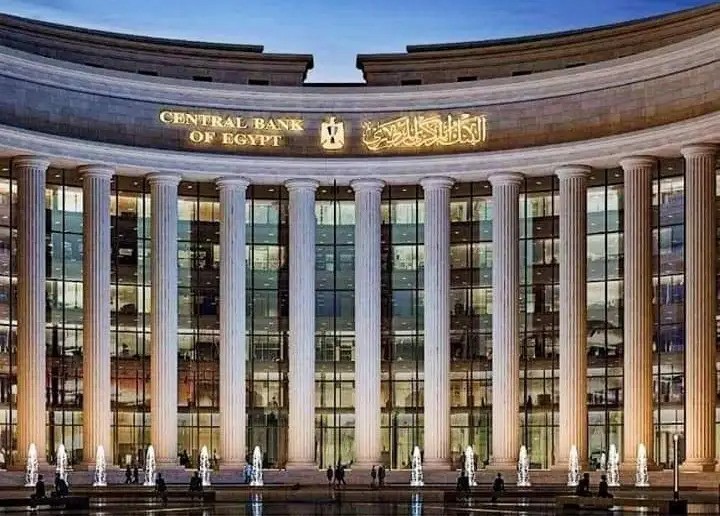
Egypt paid about $38.2 billion in external debt service during the fiscal year that ended in June 2026, slightly less than the $38.7 billion paid a year earlier, according to a Central Bank of Egypt report. The annual total included $30.4 billion in principal repayments and $7.8 billion in interest.
The figures show a shift in the composition of payments: interest costs fell, while principal repayments increased. Egypt paid about $8.5 billion in interest and $30.2 billion in principal in the previous fiscal year, according to earlier central bank data. The overall reduction in debt service was therefore modest, with the decline in interest more than offset by a small rise in principal repayments.
At the same time, the external debt stock increased to about $166.7 billion at the end of June 2026, from $161.2 billion a year earlier. The central bank said the increase was driven mainly by a rise of about $6.4 billion in net external borrowing flows, alongside changes in the exchange rates of currencies in which Egypt had borrowed.
The report put external debt at 38.2% of gross domestic product at the end of June 2026, compared with 44.2% a year earlier. That decline in the debt-to-GDP ratio occurred even as the dollar value of outstanding debt rose, reflecting the role of economic growth and the size of the economy in relation to the debt stock. The ratio and the total debt amount measure different things: one compares liabilities with annual economic output, while the other records the outstanding amount owed.
The increase in the debt stock was also modest when compared with the rise recorded over the previous year. Central bank data put external debt at about $166.7 billion at the end of June, up approximately $5.5 billion from June 2025. The quarterly figure had reached about $164.8 billion at the end of March 2026, indicating that debt rose by nearly $2 billion in the final quarter of the fiscal year.
The headline total does not, on its own, show how soon the obligations fall due or which borrowers account for the increase. Central bank figures for June indicate that long-term debt represented the majority of the total, while short-term external debt declined from the previous quarter. A larger share of long-term obligations can reduce immediate refinancing pressure, although it does not remove the need to meet substantial future repayments.
Debt-service payments place continuing demands on the country’s foreign-currency resources. Principal repayments and interest must be financed through sources such as export earnings, tourism receipts, remittances, foreign investment and new borrowing. The burden can become more difficult to manage when external financing is expensive or when foreign-currency revenues weaken.
Egypt’s foreign-currency position is also affected by imports and regional developments. Higher import spending can widen the current-account deficit, while disruptions to trade, tourism or shipping can reduce foreign-exchange inflows. The Suez Canal is an important source of revenue for the country, and its traffic has been affected by regional security conditions. A sustained recovery in canal activity could help support foreign-currency receipts, but it does not eliminate the government’s debt obligations.
The exchange-rate impact cited by the central bank reflects the fact that Egypt’s external liabilities are denominated in multiple currencies. When those currencies move against the U.S. dollar, the dollar value of the debt stock can change even if the underlying amount owed in each currency does not. In this case, the central bank said exchange-rate movements helped offset part of the increase associated with net borrowing.
The figures underscore the distinction between a lower debt ratio and a rising nominal debt balance. Egypt’s debt stock climbed by about $5.5 billion over the year, while the reported ratio to GDP fell to 38.2%. Meanwhile, annual debt service remained above $38 billion, with principal repayments making up nearly four-fifths of the total.
That combination leaves debt management dependent on continued access to foreign currency, careful repayment planning and the ability to limit financing costs. The central bank’s reported decrease in annual debt service is a modest improvement, but the higher outstanding debt and large principal repayments highlight the scale of Egypt’s external financing needs.
