

Ahmed Kamel – Egypt Daily News
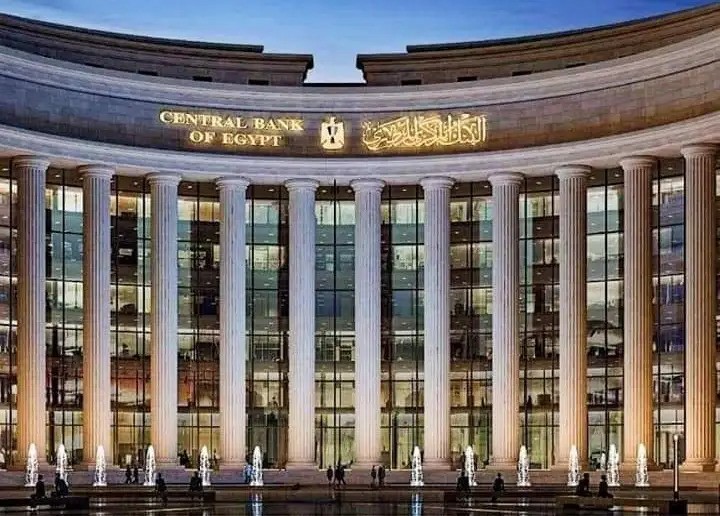
Egypt’s external debt remained largely unchanged at the end of 2025 despite continued government borrowing, according to newly released data from the Central Bank of Egypt, highlighting a period of relative stability after years of rapid debt accumulation.
The Central Bank reported that total external debt reached $163.9 billion at the end of December 2025, up by less than $200 million from the previous quarter, suggesting that new borrowing was broadly offset by repayments and reductions elsewhere in the financial system.
The latest figures come after Egypt spent much of the past two years managing one of the region’s largest external debt burdens while seeking to improve foreign currency inflows through investment deals, IMF-backed reforms, tourism revenues and record remittances from Egyptians working abroad.
Government Debt Climbs Above $81 Billion
While the overall debt stock showed little movement, the composition of Egypt’s foreign obligations continued to shift.
Debt owed directly by the government rose to $81.8 billion by the end of December, increasing by more than $1 billion during the quarter and reinforcing the state’s position as the largest external borrower in the Egyptian economy.
At the same time, liabilities held by the Central Bank of Egypt and commercial banks declined, partially offsetting the increase in government borrowing. Central Bank obligations fell to nearly $37 billion, while the banking sector’s external debt dropped to just over $23 billion.
Long-Term Borrowing Dominates
The data also showed a continued move toward longer-maturity debt.
Long-term external debt increased to approximately $129.5 billion, while short-term obligations declined to $34.4 billion. The trend reflects efforts by Egyptian authorities to reduce refinancing risks by extending repayment schedules and limiting reliance on short-term borrowing.
By the end of 2025, nearly four-fifths of Egypt’s external debt consisted of long-term obligations, according to Central Bank data.
Debt Service Pressures Ease
The figures arrive as Egypt reports progress in meeting its external obligations.
Central Bank data released earlier this year showed that Egypt paid $6.44 billion in external debt service during the first quarter of fiscal year 2025/26, down nearly 19 percent from the same period a year earlier. The payments included both principal repayments and interest obligations.
The decline has been viewed by analysts as a sign that repayment pressures are becoming more manageable following major financing inflows and debt restructuring efforts over the past two years.
Foreign Currency Inflows Provide Support
The debt figures also coincide with improvements in several key sources of foreign currency.
Remittances from Egyptians abroad surged during the current fiscal year, while foreign investors increased their holdings of Egyptian treasury bills. The banking sector’s net foreign assets also expanded sharply, helping support foreign currency liquidity.
Despite the stabilization in debt levels, Egypt still faces substantial repayment obligations in the coming years. The Central Bank previously estimated that external debt service requirements for 2026 would exceed $29 billion, underscoring the importance of maintaining strong foreign currency inflows and investor confidence.
With external debt now hovering near $164 billion, the focus for policymakers is increasingly shifting from limiting debt growth to managing repayments and extending maturities while sustaining economic growth.
