

Ahmed Kamel – Egypt Daily News
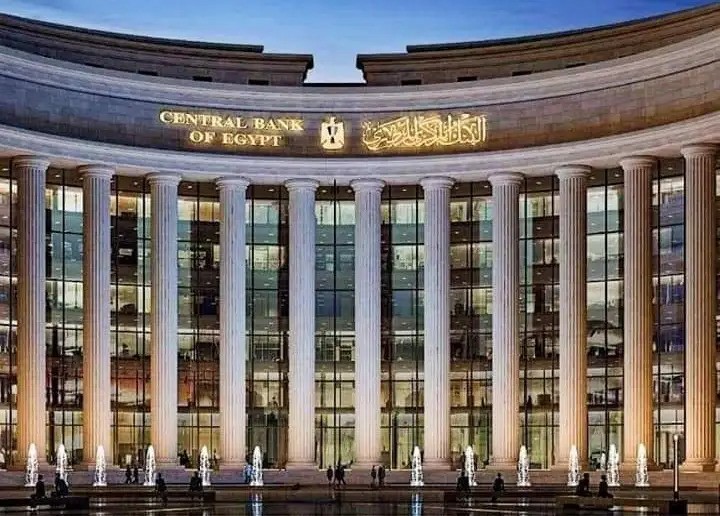
Egypt’s foreign exchange reserves climbed to a new historic high at the end of January 2026, reflecting sustained improvements in the country’s external liquidity and broader economic indicators. According to the Central Bank of Egypt (CBE), net foreign exchange reserves reached approximately $52.59 billion by the close of January, an increase of about $1.14 billion compared with $51.45 billion at the end of December 2025.
The latest figures mark the highest level of foreign currency holdings recorded in Egypt’s history, underlining progress in the nation’s efforts to stabilize the economy amid ongoing global and regional economic challenges. The increase in reserves signals stronger external buffers that can support imports, cushion against international market volatility and reassure both domestic and foreign investors.
Drivers of Reserve Growth
Analysts and official statements point to multiple factors behind the uptick. Improved inflows from key foreign currency-generating sectors such as exports, tourism revenues and remittances from Egyptians working abroad, have contributed to the positive trend. Additionally, enhanced foreign direct and portfolio investment flows, along with fiscal and monetary policy adjustments by the CBE and government, have helped strengthen external positions.
December’s reserves had themselves marked an important milestone, climbing from about $50.22 billion in November 2025 to $51.45 billion in December, driven in part by significant investment receipts tied to large development projects on the North-Western Red Sea coast.
Role of Gold and Diversification
The composition of Egypt’s reserves also shifted modestly in January, with gold holdings rising substantially. Data published by the Central Bank indicates that gold reserves increased to approximately $20.73 billion, up from around $18.16 billion in December, adding further strength to the country’s external asset base. Gold, as a non-currency reserve asset, provides an additional hedge against global financial volatility and supports overall reserve adequacy.
Foreign exchange reserves comprise a basket of major global currencies, including the US dollar, euro, British pound, Japanese yen and Chinese yuan managed according to prevailing exchange rates and market conditions. These reserves play a critical role in financing essential imports, meeting external debt obligations and serving as a buffer during economic stress.
Economic Context and Challenges
While the rise in foreign exchange reserves is seen as a positive development, other economic indicators present a mixed picture. Recent official data show that despite improvements in revenue from tourism and export sectors, certain components of the external account have faced pressure. For example, revenue from the Suez Canal has declined sharply, and the overall trade deficit remains elevated.
Economists note that robust reserves alone do not guarantee long-term external stability without continued attention to structural reforms, export competitiveness and diversification of the economic base. Nevertheless, the January surge in reserves suggests that policy measures aimed at reinforcing macroeconomic stability are beginning to yield tangible results, a key consideration as Egypt navigates the global economic landscape in 2026.
Overall, the record reserve level underscores growing confidence in Egypt’s economic resilience, while also highlighting the importance of sustained efforts to strengthen key sources of foreign exchange and support balanced growth.
