

Ahmed Kamel – Egypt Daily News
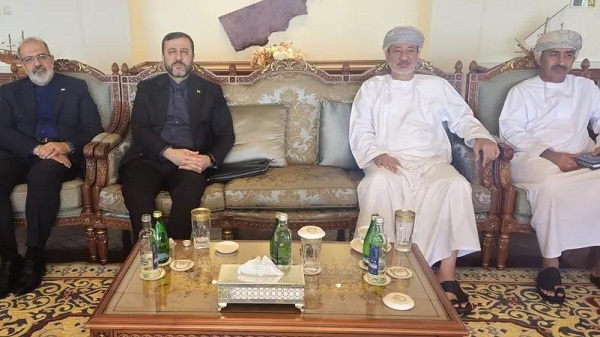
Iranian Deputy Foreign Minister for Legal and International Affairs Kazem Gharibabadi announced that a senior delegation completed the first joint Hormuz committee meeting in Muscat. The strategic diplomatic gathering was organized to address mounting maritime tensions following recent military exchanges between American and Iranian forces near the waterway.
During his official visit to the Omani capital, Gharibabadi held direct high-level talks with Omani Minister of State for Foreign Affairs Abdulaziz Al-Hinai. The two neighboring states reviewed pressing security issues surrounding the strategic maritime corridor to prevent subsequent operational misunderstandings.
Strategic Framework Governs Future Management of Critical Waterway
The diplomatic representatives focused heavily on establishing long-term guidelines for the future administrative management of the narrow shipping channel. The discussions were formally conducted under the legal framework of the fifth paragraph of the recently signed Islamabad Memorandum of Understanding.
Gharibabadi noted that any updated management protocols will remain strictly aligned with the sovereign rights of the coastal states bordering the gulf. The bilateral engagement marks an active attempt to formalize maritime control before broader multinational conferences commence in the region.
Muscat Clarifies Official Stance Regarding Disputed Shipping Transit Fees
Sultanate authorities have maintained a nuanced diplomatic position regarding the international management of the busy trading strait over the past week. Following an initial joint statement promising collaborative oversight, Muscat explicitly clarified that future arrangements will not include any transit fees for international vessels.
Omani officials simultaneously announced the successful opening of a temporary maritime corridor coordinated alongside United Nations logistical experts. This balanced approach aims to ensure uninterrupted global commercial trade while addressing regional security anxieties.
Impending Doha Technical Talks Aim to Preserve Fragile Regional Ceasefire
The original bilateral agreement signed between Washington and Tehran mandated that the maritime strait remain completely open and free from financial obstacles for a sixty-day period. This transition window was specifically designed to allow Iran, Oman, and other Gulf nations to negotiate a comprehensive collective management system.
A specialized round of technical negotiations is scheduled to commence tomorrow in Doha to resolve remaining administrative disputes over the waterway. These high-stakes talks are considered vital to saving the current ceasefire framework after recent missile strikes threatened to derail regional peace efforts.
