

Ahmed Kamel – Egypt Daily News
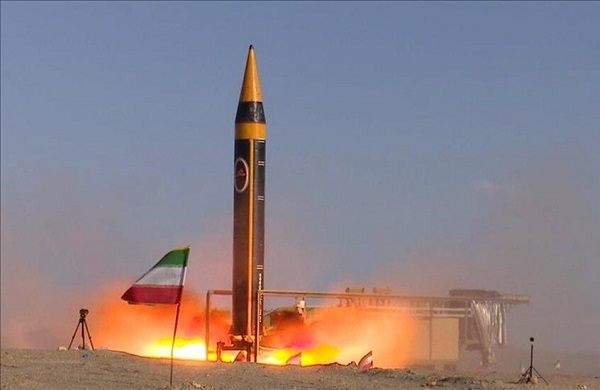
A fragile diplomatic push to contain the widening Middle East conflict suffered a major setback on Sunday after Israel reported that Iran launched missiles toward its territory, marking the first direct bombardment since a ceasefire arrangement took hold in early April.
Air raid sirens echoed across parts of northern Israel as the Israeli military activated air defense systems to intercept the incoming projectiles. Military officials acknowledged that interception systems could not guarantee complete protection, warning residents to remain alert as the threat unfolded.
Iranian state media confirmed the missile launches, while witnesses reported hearing explosions in several areas of northern Israel. The exchange raised fresh fears that the region could slide back into a broader confrontation just as international mediators were attempting to revive negotiations aimed at ending months of conflict.
The latest escalation came hours after Israel carried out an airstrike on Beirut’s southern suburbs, a stronghold of the Iran-backed Hezbollah movement. The strike was launched without prior warning despite recent American efforts to prevent renewed fighting in Lebanon.
Israeli officials said the attack was a response to rockets fired earlier Sunday toward northern Israel from Lebanese territory. Hezbollah did not immediately claim responsibility for the launch, leaving uncertainty over who initiated the exchange that shattered days of relative calm.
The Beirut strike targeted a residential building and left at least two people dead and around 20 others injured, according to Lebanon’s health authorities. The attack also threatened to unravel understandings reached only days earlier during U.S.-hosted discussions involving Lebanese and Israeli officials. While both governments had signaled support for a ceasefire framework, Hezbollah publicly rejected the arrangement.
Iran reacted sharply to the Israeli operation, warning that any renewed assault on Beirut could reignite full-scale conflict across multiple fronts in the region. Tehran has repeatedly insisted that any broader diplomatic agreement involving the United States must include a permanent halt to hostilities in Lebanon.
The disagreement has become one of the central obstacles facing ongoing mediation efforts. Iran argues that the future of Lebanon cannot be separated from negotiations over the wider regional war, while Israel maintains that military pressure on Hezbollah must continue until the group is no longer capable of threatening Israeli territory.
Diplomatic activity intensified Sunday as regional powers sought to prevent the latest violence from derailing talks. Pakistan’s Interior Minister Mohsin Naqvi arrived in Tehran carrying a message from Pakistan’s army chief, Field Marshal Asim Munir, addressed to Iran’s Supreme Leader Ayatollah Mojtaba Khamenei. Iranian state media provided no details about the contents of the communication, but Islamabad has publicly positioned itself as a potential intermediary between Tehran and Washington.
Naqvi held meetings with senior Iranian officials, including Interior Minister Eskandar Momeni and Foreign Minister Abbas Araghchi, as Pakistan continued coordination with several regional governments seeking to reduce tensions.
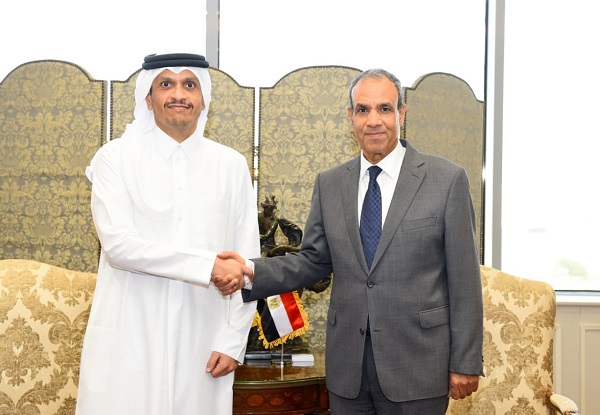
In Cairo, Egyptian Foreign Minister Bader Abdelatty held discussions with Qatari Prime Minister and Foreign Minister Sheikh Mohammed bin Abdulrahman Al Thani regarding what Egypt described as proposed elements of a possible agreement between Washington and Tehran. Neither side disclosed specific details, underscoring the sensitivity of negotiations that remain largely behind closed doors.
The United States offered no immediate public reaction to Israel’s strike on Beirut. President Donald Trump, however, indicated in a television interview recorded earlier that he favored a more limited approach toward Hezbollah and suggested Lebanon did not necessarily need to be included in a broader ceasefire arrangement involving Iran.
Meanwhile, the economic consequences of the conflict continue to spread beyond the battlefield. Iran has maintained pressure around the Strait of Hormuz, while U.S. restrictions targeting Iranian ports have disrupted shipments of oil, natural gas and fertilizer, adding strain to global markets already grappling with uncertainty.
For Israeli Prime Minister Benjamin Netanyahu, the renewed exchange comes amid growing political pressure ahead of elections expected later this year. His government has repeatedly signaled that military operations against Hezbollah will continue until Israeli leaders are convinced the group no longer poses a strategic threat.
With missiles once again crossing borders and diplomatic channels struggling to keep pace, hopes for a broader regional settlement face one of their most serious tests in months.
