

Ahmed Kamel – Egypt Daily News
Diplomatic push for regional de-escalation stalls after renewed violence in Lebanon disrupts high-level negotiations
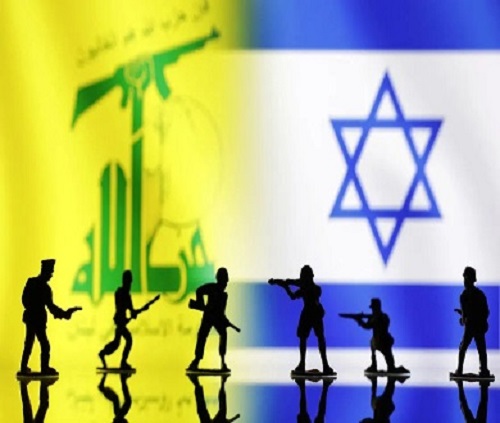
A ceasefire agreement has been reached between Israel and Hezbollah following a surge in cross-border violence that destabilized the wider diplomatic process involving the United States and Iran, according to a U.S. official cited by NBC News.
The truce comes after several days of intensified Israeli military operations in Lebanon and retaliatory strikes attributed to Hezbollah, raising fears that the confrontation could spiral into a broader regional war.
Neither Israeli nor Hezbollah officials have issued formal confirmation of the ceasefire at the time of reporting.
Violence in Lebanon Sparks Rapid Escalation
The latest round of hostilities was triggered after Israel reported the deaths of four of its soldiers, including a senior commander, in an attack it blamed on Hezbollah.
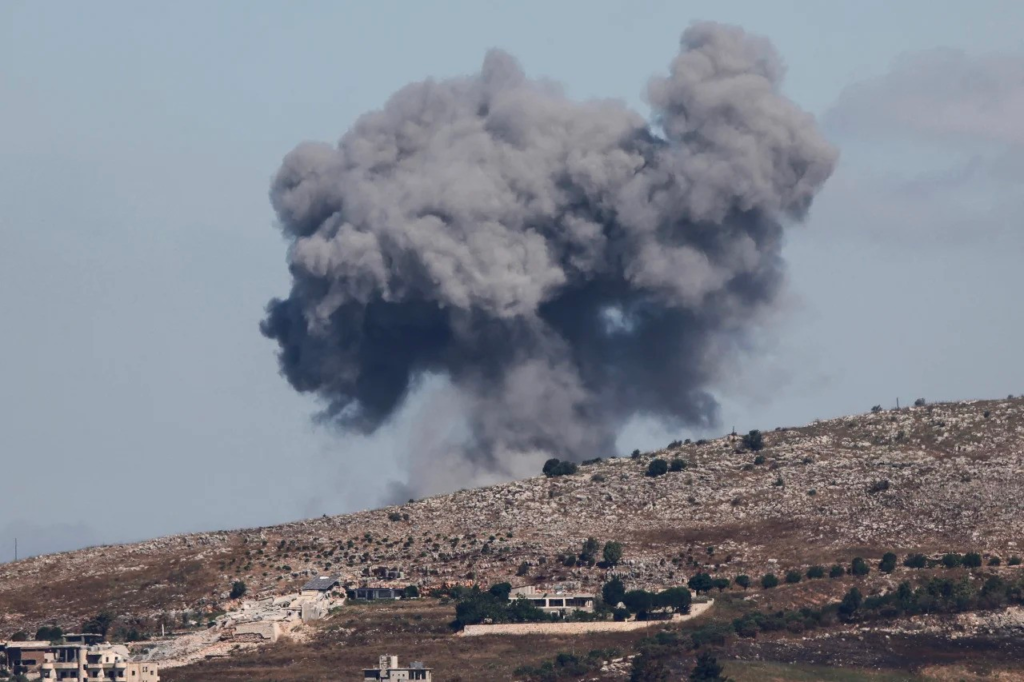
In response, Israeli forces launched a series of air and artillery strikes across southern Lebanon, targeting what they described as militant infrastructure linked to the Iran-backed group. The exchange marked one of the most serious escalations in recent weeks along the Israel-Lebanon border, a front that has remained volatile amid the wider regional conflict.
Collapse of Planned U.S.-Iran Meeting in Switzerland
The escalation had immediate diplomatic consequences, forcing the postponement of scheduled talks between U.S. and Iranian officials in Switzerland.
The meeting, planned to take place in the Alpine resort of Bürgenstock, was intended to launch a structured negotiation phase aimed at achieving a more durable political settlement following months of conflict involving Israel, Iran, and allied groups.
The Swiss Foreign Ministry confirmed the talks would not proceed as planned, although it stressed that Switzerland continues to stand ready to host future negotiations.
Regional Concerns Over Negotiation Guarantees
According to a regional diplomat familiar with the process, Iran requested assurances that military operations in Lebanon would be halted as part of any broader diplomatic framework being discussed. Those assurances reportedly became a sticking point after renewed Israeli strikes disrupted the expected negotiation timeline.
Mediators from multiple countries, including Qatar and Pakistan, are said to be working behind the scenes to restore conditions necessary for dialogue.
U.S. Political Response and Travel Disruption
The unfolding crisis also affected U.S. political plans, with Vice President JD Vance reportedly canceling a planned visit to Switzerland connected to the diplomatic discussions. The talks had been expected to establish a 60-day negotiation window addressing core issues aimed at preventing further escalation in the region.
Fragile Path Toward Broader Peace
The ceasefire, while potentially stabilizing the immediate situation in Lebanon, does not resolve underlying tensions between Israel and Hezbollah, nor the broader geopolitical confrontation involving Iran.
Analysts suggest the disruption of the Switzerland talks highlights how quickly localized violence can derail international diplomatic efforts in the region.
Switzerland Maintains Mediation Role
Despite the postponement, Swiss authorities confirmed that preparatory diplomatic work continues at Bürgenstock.
The Swiss government reiterated its willingness to facilitate renewed negotiations when conditions allow, emphasizing its neutral role in international conflict mediation.
