

Ahmed Kamel – Egypt Daily News
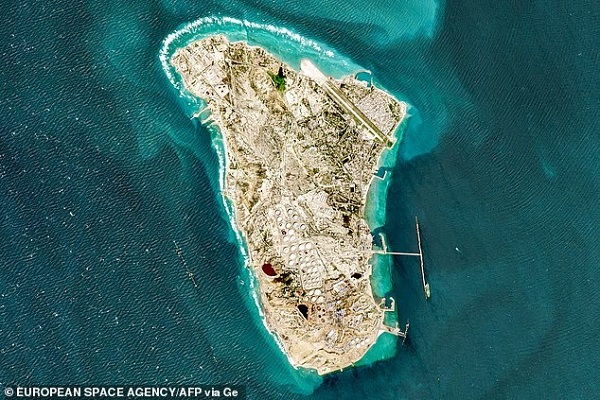
U.S. President Donald Trump escalated tensions with Iran on Thursday by threatening to launch new military strikes and suggesting that Washington could eventually take control of key Iranian oil facilities, including Kharg Island, the strategic export terminal that handles the vast majority of Iran’s crude shipments.
In a series of remarks and social media posts, Trump warned that American forces would strike Iran “very hard” and floated the possibility of seizing critical energy infrastructure if Tehran fails to agree to a nuclear deal on terms acceptable to Washington.
The comments came amid a rapidly deteriorating security situation across the Gulf, where American and Iranian forces have exchanged military strikes for a third consecutive day, raising fears that the confrontation could evolve into a broader regional conflict.
Kharg Island Moves to the Center of the Crisis
At the heart of Trump’s latest threats is Kharg Island, a heavily fortified Iranian oil terminal located in the northern Gulf and widely regarded as the backbone of the country’s energy exports.
Roughly 90 percent of Iran’s crude oil shipments pass through the island, making it one of the most strategically important pieces of infrastructure in the Iranian economy. The facility serves as Tehran’s primary gateway to international energy markets and remains a vital source of government revenue despite years of sanctions.
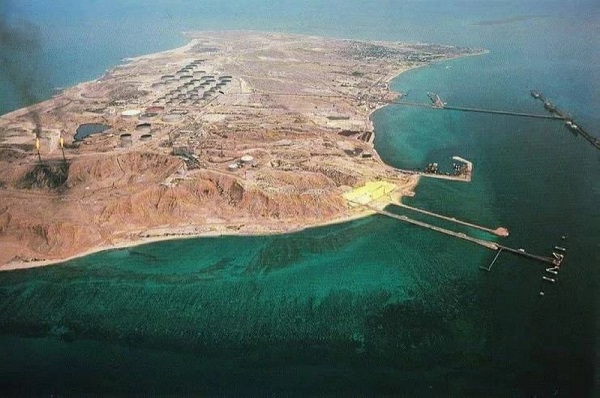
Trump suggested that the United States could ultimately take control of Kharg Island and other oil-related facilities, drawing comparisons to Washington’s energy policies toward Venezuela.
While the White House has not announced any formal plans for such an operation, military analysts note that any attempt to seize the island would represent a major escalation and could require a significant military commitment in one of the world’s most sensitive strategic regions.
Escalating Military Confrontation
The latest war of words followed another round of American strikes inside Iran overnight.
The U.S. Central Command said American forces targeted surveillance systems, communications networks, and air defense installations, describing the operation as a defensive measure designed to protect U.S. personnel and international shipping routes.
Iran responded by announcing retaliatory attacks against locations linked to American military operations in Bahrain, Kuwait, and Jordan, while regional governments activated air defenses and emergency procedures amid reports of incoming missiles and drones.
The exchange marked the third major military flare-up of the week, underscoring the increasingly fragile state of the ceasefire arrangements that had previously reduced direct confrontation between Washington and Tehran.
Nuclear Dispute Remains the Core Issue
Behind the military escalation lies the unresolved dispute over Iran’s nuclear program.
Trump has repeatedly insisted that Iran must completely abandon any pathway to a nuclear weapon and has reportedly demanded a long-term halt to uranium enrichment activities. Iranian officials have indicated a willingness to discuss restrictions but continue to reject demands that would eliminate all enrichment capabilities.
Diplomatic sources say mediators from Qatar and Pakistan remain engaged in efforts to revive negotiations, although recent military developments have significantly complicated those efforts.
Iranian officials accused Washington of undermining diplomacy through continued military action, while American officials argue that pressure is necessary to force Tehran back to the negotiating table.
Strait of Hormuz Crisis Deepens
Adding to global concerns, Iran has renewed warnings regarding the Strait of Hormuz, the narrow waterway through which a significant share of the world’s oil and liquefied natural gas exports pass.
Iranian military officials have threatened further restrictions on maritime traffic, while U.S. officials insist international shipping remains operational despite heightened security risks. The uncertainty has already rattled energy markets, with traders closely monitoring developments amid fears that a prolonged disruption could affect global fuel supplies and drive prices sharply higher.
Several commercial vessels have reportedly encountered security incidents in recent days, further highlighting the growing dangers facing maritime traffic in the region.
International Calls for Restraint
As the crisis deepens, major regional and global powers are urging both sides to step back from the brink.
Saudi Arabia, Turkey, China, and Russia have all called for de-escalation and renewed diplomatic engagement, warning that continued military exchanges could destabilize the wider Middle East and inflict damage on the global economy.
Despite Trump’s increasingly aggressive rhetoric, American officials continue to insist that diplomacy remains possible. At the same time, Tehran has signaled that future negotiations will depend on an end to what it describes as ongoing U.S. military aggression.
For now, however, the prospects for a breakthrough appear uncertain as both sides continue to exchange threats, military strikes, and warnings of further action.
With Kharg Island emerging as a symbol of the broader confrontation, attention is increasingly focused on whether the crisis will return to the negotiating table, or move closer to a direct and potentially far more dangerous conflict.
