

Ahmed Kamel – Egypt Daily News
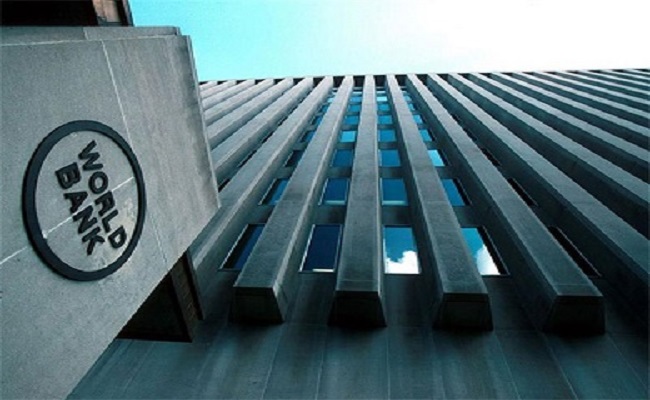
The World Bank has increased its financial support package for Egypt by an additional $300 million, bringing total multilateral backing to help the country absorb economic shocks linked to the ongoing Iran conflict and wider regional instability, a senior bank official said on Saturday.
Speaking to reporters, Stéphane Guimbert, the World Bank’s division director for Egypt, Yemen, and Djibouti, said the revised package now includes $800 million in World Bank financing alongside a $200 million guarantee from the United Kingdom, following approval by the bank’s board on Friday.
The increase from an earlier $500 million allocation reflects what Guimbert described as “uncertainty in the region” and the economic spillover effects of the war in Iran, which he said are being felt across multiple emerging economies, including Egypt.
The financing is structured on highly concessional terms compared to commercial borrowing, with an interest rate of around 6%, a 30-year maturity, and a grace period before repayments begin, conditions designed to ease pressure on Egypt’s public finances.
The program forms the second phase of a broader three-part development framework. The first installment was approved in June 2024, while a third phase is expected next year as part of continued engagement between Cairo and international lenders.
Additional parallel financing is expected from other institutions, including the Asian Infrastructure Investment Bank, which is preparing complementary support to align with the World Bank’s program.
Guimbert noted that private sector investment in Egypt has risen to about 6% of GDP, up from roughly 4%, but stressed that this remains significantly below levels seen in comparable emerging economies, where private investment often exceeds 20% of GDP.
He added that the World Bank is actively advising Egyptian authorities on reforms aimed at attracting greater foreign direct investment and improving the overall business climate.
Looking ahead, Guimbert said Egypt has the potential to achieve medium-term growth of around 6% annually if macroeconomic stability is maintained and structural reforms continue. At that pace, he estimated the economy could generate up to 2 million jobs per year, compared with roughly 600,000 currently.
On social policy, he highlighted Egypt’s Takaful and Karama cash transfer programs as more targeted and effective forms of support for low-income households compared with broad subsidy schemes such as the bread subsidy system.
“In times of crisis, you want to lean heavily on Takaful and Karama,” he said, emphasizing the importance of direct social assistance in protecting vulnerable families during periods of economic stress.
