

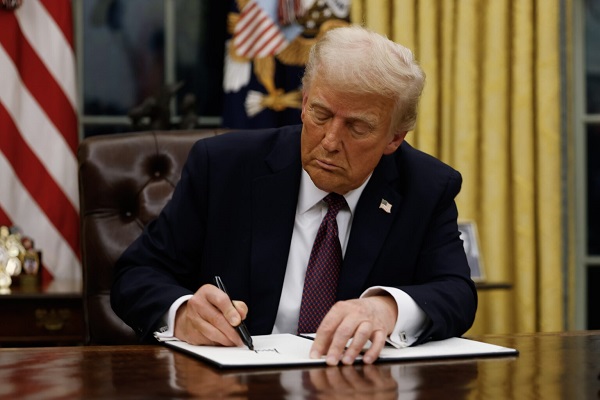
Egypt Daily News – Over the past two days, the U.S. Congress approved what former President Donald Trump has dubbed the “big, beautiful” immigration law, a sweeping new measure that he signed into law on Saturday. The legislation triples federal funding for immigrant detention centers, paving the way for a rapid and unprecedented expansion of these facilities. The move has raised significant concerns among human rights advocates regarding the treatment of a growing number of detainees, according to The Washington Post.
Unprecedented Funding for Detention Infrastructure
The law allocates $45 billion over the next four years for immigrant detention—an amount that exceeds the combined detention budgets of the Obama, Biden, and Trump administrations’ first term. In addition, it includes $46.5 billion for completing the border wall with Mexico and another $6 billion for border surveillance technologies, along with several other provisions aimed at bolstering border security.
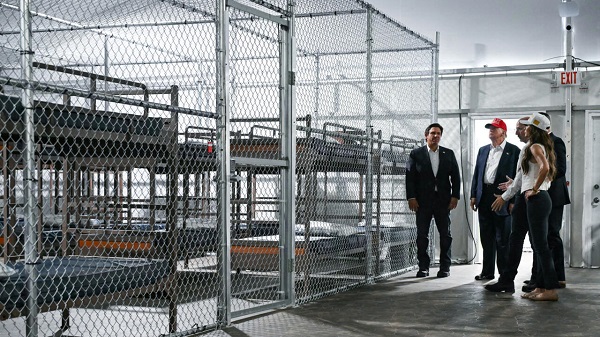
Lauren-Brooke Eisen, Director at the Brennan Center for Justice at NYU, described the law as “the largest investment in border immigration enforcement in the country’s history,” warning of a massive expansion of Immigration and Customs Enforcement (ICE) detention centers.
ICE Plans to Double Capacity Amid Growing Concerns
ICE plans to use the new funding to nearly double its detention capacity to 100,000 beds. This would enable the agency to detain a much larger number of undocumented migrants targeted for deportation. Last month, ICE reported an average daily detainee population of 56,000—the highest since such data began being released.

Officials have admitted that in some instances, the number of detainees has exceeded the system’s ability to accommodate them.
Supporters Emphasize Border Security
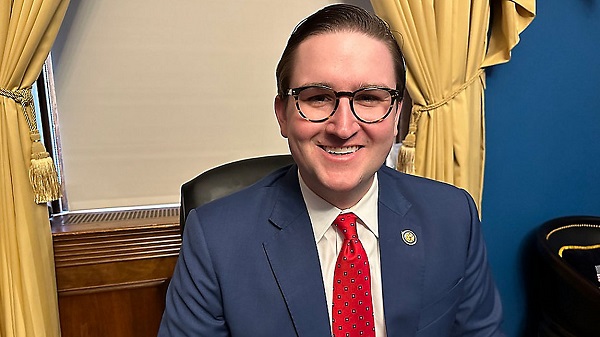
Supporters of the law, including Rep. Addison McDowell (R-NC), hailed the legislation as a vital step toward national security. “This bill will make our communities safer through a historic investment in our border security,” McDowell stated. She emphasized that the law ensures “dangerous illegal immigrants” will no longer remain at large.
Tricia McLoughlin, spokesperson for the Department of Homeland Security, added that the funding will help cover the cost of expanded detention space and the hiring of additional staff. She called these resources essential for “securing the homeland and keeping Americans safe.”
Shifting Demographics in ICE Detention
The U.S. currently operates the world’s largest immigrant detention system, composed largely of privately run facilities and county jails under contract with ICE. While these centers have historically housed individuals deemed a security threat or those facing criminal charges, the demographics are shifting.
According to Syracuse University professor Austin Kocher, as of June, nearly one-third of those in ICE custody had not been charged with any crime. The agency is currently detaining non-criminal migrants at higher rates than those with pending criminal cases.
Expanded Contracts and Private Sector Involvement
ICE has recently awarded new or expanded contracts to at least nine facilities operated by two of the largest private detention companies, GEO Group and CoreCivic. Some contracts also involve temporary tent camps for migrants. The House Appropriations Committee previously criticized such spending as “fiscal mismanagement” due to the agency regularly exceeding its budget.
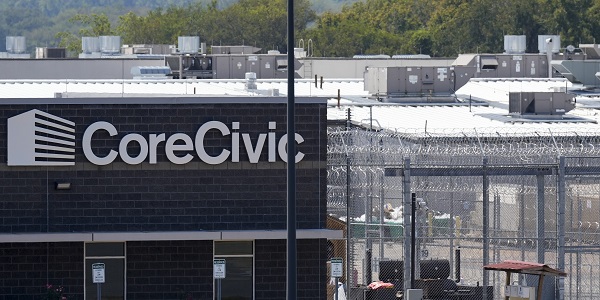
GEO and CoreCivic reportedly control at least 14 unused prisons that could be converted to house thousands of detainees in various states. Both companies are already receiving job applications in anticipation of new contracts.
Allegations of Abuse and Inhumane Conditions
Migrant rights groups have urged the government not to expand contracts with GEO or CoreCivic, citing a history of poor conditions and inadequate medical care. In recent weeks, detainees in a GEO-run facility in Newark protested shortages of food and water, while individuals held in a CoreCivic-run center in New Mexico complained of not being able to flush toilets for several days.
CoreCivic spokesperson Steve Owen responded that the water issue in New Mexico was resolved in under two weeks, and that the facilities comply with federal standards, providing three meals daily and 24-hour access to medical services.
As the law goes into effect, the debate over America’s immigration enforcement strategy is expected to intensify, particularly as concerns mount over human rights and the influence of for-profit prison operators in shaping immigration policy.
