


Egypt Daily News – Tensions between Israel and several European countries have escalated sharply after the Netherlands announced a formal entry ban on two of Israel’s most controversial ministers, citing incitement to violence and extremist rhetoric surrounding the Gaza conflict and West Bank settlements. The move comes as the humanitarian catastrophe in Gaza deepens and international patience with the Israeli government’s far-right coalition appears to be wearing thin.
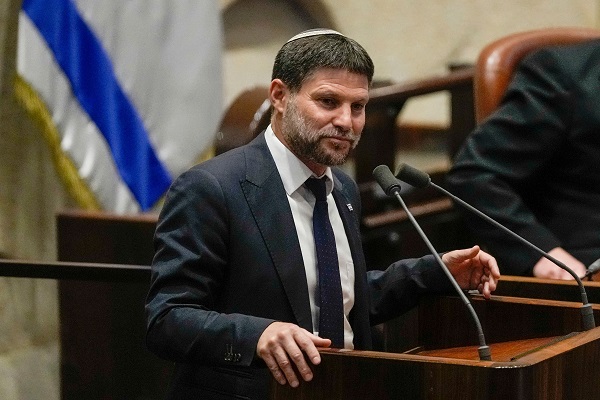
On Monday evening, the Dutch government declared Israeli National Security Minister Itamar Ben Gvir and Finance Minister Bezalel Smotrich persona non grata, initiating formal procedures to add both men to the Schengen area’s entry ban list. The announcement followed what Dutch Foreign Minister Caspar Veldkamp described as “repeated incitement by both ministers to settler violence, their ongoing support for illegal settlement expansion, and inflammatory calls for ethnic cleansing in Gaza.”
In a strongly worded statement, Veldkamp also revealed that Israel’s ambassador in The Hague would be summoned for a formal reprimand. The Dutch government is urging Israeli Prime Minister Benjamin Netanyahu’s administration to “change course” in Gaza, calling the current military and humanitarian situation “intolerable and indefensible.”
Adding further pressure, the Netherlands said it supports suspending Israel’s participation in the EU’s “Horizon Europe” research and innovation program if Israel is found to be violating humanitarian agreements. Dutch Prime Minister Dick Schoof emphasized that his government is exploring additional trade and diplomatic measures to press Israel toward a ceasefire and an end to human rights violations.
In response, Ben Gvir took to social media, defiantly asserting that he would continue “working for the people of Israel even if I am banned from every country in Europe.” He added, “In a continent where terrorists are welcomed, Jewish ministers are boycotted this is the upside-down morality of Europe.” Finance Minister Smotrich echoed this sentiment, stating: “Europe did not protect Jews in the past, and it certainly won’t do so in the future.”
The diplomatic rift also spilled into a rare public disagreement between Israeli President Isaac Herzog and the Dutch prime minister. After Schoof publicly hinted at possible EU sanctions and broader consequences for Israel’s military conduct, Herzog posted a rebuttal on social media: “With all due respect, Mr. Prime Minister, your message does not reflect the spirit or content of our conversation.” Herzog warned that suspending cooperation or imposing sanctions would be a “serious mistake,” especially in light of what he described as Israel’s ongoing humanitarian efforts.
The Dutch position follows a similar move earlier this month by Slovenia, which also barred Ben Gvir and Smotrich from entering its territory. The Slovenian government accused both ministers of promoting genocide, inciting extreme violence, and violating the basic human rights of Palestinians, particularly through their support for West Bank settlement expansion and military actions in Gaza.
These European measures reflect a broader shift in tone among Western governments. While core support for Israel’s right to defend itself remains intact, the actions of its most radical ministers and the soaring civilian death toll in Gaza are increasingly isolating Israel on the global stage. The United Nations has warned that famine is already underway in parts of the Strip, as indiscriminate airstrikes and aid blockades continue to claim civilian lives.
As calls grow louder for international accountability and restraint, the coming weeks may see further diplomatic fallout. With the UK weighing formal recognition of a Palestinian state and the EU considering punitive measures, the Netanyahu government finds itself navigating one of its most challenging diplomatic environments in decades.
