

Ahmed Kamel – Egypt Daily News
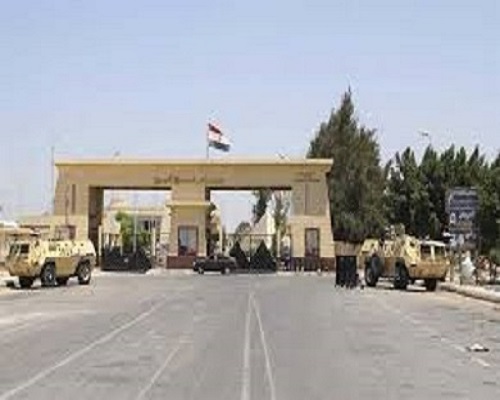
Israel reopened the Rafah border crossing in southern Gaza on Wednesday, marking a significant development in the ongoing ceasefire agreement, following the handover of the remains of four Israeli hostages by Hamas late Tuesday night.
According to Israeli media, the decision to lift restrictions on the crossing came in line with the terms of the truce and includes the resumption of movement into and out of Gaza, as well as the entry of humanitarian aid.
The Israeli Public Broadcaster Kan reported that the Israeli government opted to reopen the crossing after confirming receipt of the four bodies. The move signals a tentative return to commitments outlined in the ceasefire agreement and suggests a renewed, if fragile, willingness by both sides to uphold their end of the deal.
Hamas has reportedly expressed its intention to hand over additional remains on Wednesday. Under the current agreement, the group is required to return a total of 28 bodies of hostages who were killed during their captivity in Gaza. With four bodies handed over so far, 24 remain outstanding.
The reopening of Rafah is seen as both a humanitarian gesture and a political signal, allowing aid convoys reportedly up to 600 trucks to enter Gaza and permitting limited civilian movement. The crossing had been closed amid Israeli accusations that Hamas was violating the ceasefire by delaying the return of bodies and engaging in hostile activity.
The exchange of remains follows intense diplomatic mediation involving Egypt and Qatar, as well as mounting international pressure to alleviate the worsening humanitarian crisis in Gaza. The United Nations has warned of famine-like conditions in the territory following two years of war and blockade.
With the return of hostages’ remains becoming a central condition for maintaining the truce, further deliveries by Hamas in the coming days could be key to extending the fragile ceasefire and avoiding a return to violence. However, both sides continue to accuse each other of violations, and the broader political path forward including long-term arrangements for governing Gaza remains uncertain.
