

Ahmed Kamel – Egypt Daily News
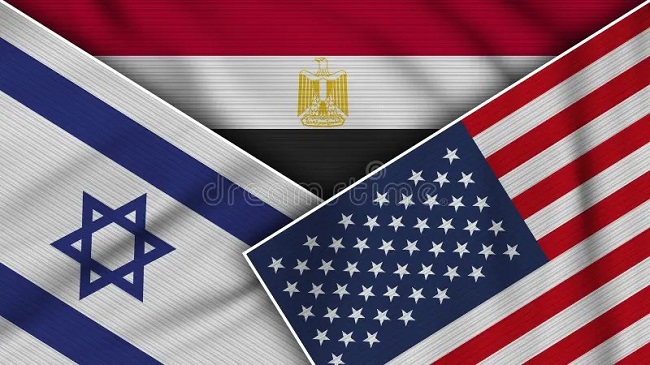
Tensions are rising between Israel and its allies—the United States and Egypt over the implementation of the second phase of the Trump-backed Gaza peace initiative. According to Israeli public broadcaster Kan, disputes have intensified following the arrival of Egyptian intelligence chief Major General Hassan Rashad and U.S. Vice President J.D. Vance in Israel.
At the heart of the disagreement is the timeline and mechanism for implementing the next steps of the ceasefire and reconstruction process in Gaza. While Washington is reportedly pushing for immediate activation of Phase Two, and Cairo is lobbying for the rapid deployment of international peacekeeping forces inside the Strip to stabilize the fragile truce, Israel remains resistant.
Israeli Objections to International Forces in Gaza
Israeli officials have expressed firm opposition to the proposed multinational force at this stage, insisting that Hamas is still capable of returning the bodies of hostages without foreign intervention. Israeli security sources reportedly informed Egypt’s General Intelligence Service that Hamas is deliberately stalling negotiations.
They added that Israel has already provided mediators with precise intelligence on the burial sites of several hostages who died in captivity and expects their return before any further steps are taken under the U.S. plan.
Emerging Peacekeeping Coalition
Despite Israeli reservations, diplomatic sources say a preliminary list of countries willing to contribute to an international or Arab peacekeeping mission in Gaza is already taking shape. The list includes Egypt, Jordan, Qatar, Azerbaijan, Indonesia, the United Arab Emirates, and Morocco. Turkey is said to be considering participation, though Israel has reportedly expressed strong objections to Ankara’s involvement in any on-the-ground arrangements within Gaza.
Rafah Crossing Fuels Tensions
Another major point of contention is the Rafah border crossing, which has remained closed by Israeli order, despite previous agreements regarding its reopening. According to Israel Hayom, Cairo is pressuring Israel to honor its commitments and reopen the crossing, which is a vital artery for humanitarian aid and civilian movement.
Regional sources have confirmed growing frustration among key mediators—particularly Egypt and Qatar—over Israel’s decision to link the reopening of Rafah to the return of hostage remains. Both countries argue that this linkage obstructs humanitarian efforts and undermines trust among negotiating parties.
Cairo and Doha have reportedly offered Israel specific guarantees regarding the eventual return of all remaining bodies, contingent on improved field conditions and the availability of heavy equipment needed by Hamas to carry out recovery operations.
The two regional mediators see Israel’s insistence on using the Rafah crossing as leverage as a significant obstacle to progress. They have proposed a set of field-based guarantees and logistical arrangements to expedite the safe recovery and handover of remains, aiming to remove this roadblock from the broader negotiations.
Security and Humanitarian Challenges Ahead
General Rashad’s visit is said to have focused heavily on outlining a framework for reopening Rafah in light of the ongoing security and logistical challenges. The issue is expected to be central in the upcoming round of talks between Israeli and Egyptian delegations.
Parallel discussions are also underway between Egypt and Hamas to reinforce the ceasefire and ensure the uninterrupted flow of humanitarian aid into Gaza.
As diplomatic activity intensifies and efforts continue to implement the next phase of the peace plan, the growing disagreements among key stakeholders, particularly over the presence of international forces and the status of the Rafah crossing pose serious challenges to the fragile progress achieved so far.
