

Ahmed Kamel – Egypt Daily News
Tensions along the Israel-Lebanon border flared again after Hezbollah launched a volley of rockets toward northern Israel, marking the first such attack since the ceasefire agreement came into effect.
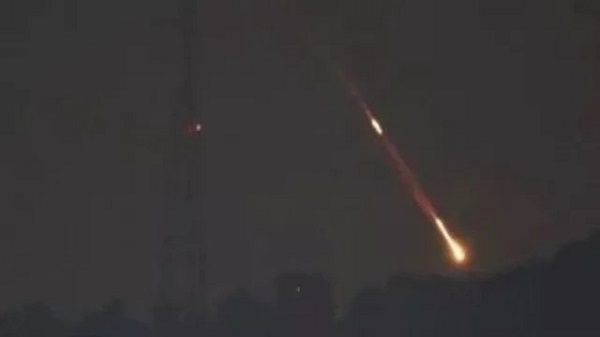
According to Israeli public broadcasting reports, six rockets were fired from southern Lebanon toward northern Israeli territory. Israel’s Channel 12 television said the rockets were launched in a single barrage, triggering heightened alert levels in border communities and prompting Israeli air defense systems to respond.
The incident represents a potentially significant breach of the fragile calm that had largely held since the ceasefire began. Although no immediate reports of casualties or major damage were confirmed in the initial aftermath, Israeli security forces moved quickly to assess the situation and reinforce positions along the northern frontier.
Military officials in Israel treated the launch as a serious escalation, given that cross-border fire had largely subsided following the truce. Sirens were reported in several northern areas, and residents were instructed to follow Home Front Command safety guidelines as a precaution.
Hezbollah has not immediately issued a detailed public statement explaining the circumstances of the launch, and it remains unclear whether the attack was intended as a limited signal or could herald a broader resumption of hostilities.
Regional observers warn that even a relatively small rocket barrage risks undermining the already fragile ceasefire understandings between Israel and Hezbollah, particularly amid ongoing tensions across multiple fronts in the Middle East. Diplomatic efforts in recent months had focused on preventing exactly such flare-ups along the Lebanese border.
Israeli officials have repeatedly warned that any attack from Lebanese territory would draw a response, raising concerns that retaliatory strikes could follow and potentially widen the confrontation.
The situation along the northern border remains fluid, with both sides on heightened alert as international mediators monitor developments closely.
