

Ahmed Kamel – Egypt Daily News
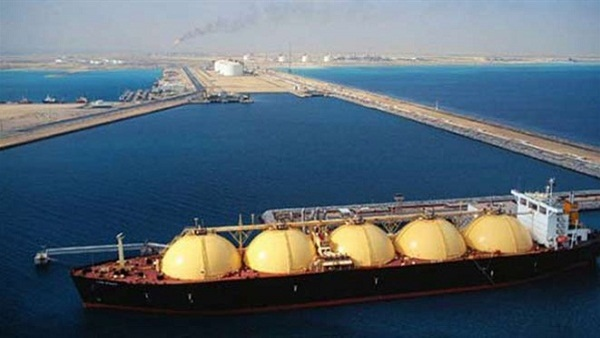
Egypt has temporarily suspended natural gas exports through the Idku liquefaction plant as authorities move to shore up domestic supplies amid regional disruptions, according to a government official.
The official said Cairo halted the daily flow of about 350 million cubic feet of gas that had been allocated for export by Shell and Petronas through the Idku LNG facility.
Israeli Supply Disruption Behind Move
The decision followed the stoppage of gas inflows from the eastern Mediterranean fields of Tamar gas field and Leviathan gas field, the official said, attributing the disruption to the ongoing regional conflict involving the United States and Israel and its impact on Israeli gas exports.
He added that the last LNG cargo departed the Idku marine terminal at the end of February.
Emergency Measures to Protect Local Market
In recent hours, Egypt has moved to reinforce domestic supply by suspending external flows and reorganizing shipments.
Authorities have:
- halted roughly 100 million cubic feet per day of gas exports to Syria and Lebanon via the Arab Gas Pipeline
- begun rescheduling contracted LNG shipments to increase imported volumes
- redirected available supplies to support the national electricity grid
Officials say the measures aim to close the supply gap caused by the halt in eastern Mediterranean gas and ensure power system stability.
Export Program Interrupted
According to the official, Shell and Petronas had already exported a total of eight LNG cargoes under their agreement, which allows for two shipments per month. However, tightening domestic supply forced the suspension.
Earlier in 2025, Egypt approved a plan permitting the two companies to export at least six LNG cargoes annually from the Idku plant through 2029. Each shipment carries roughly 150,000 cubic meters.
The two companies jointly hold about 71 percent of the facility, while the Egyptian government — through the Egyptian General Petroleum Corporation and Egyptian Natural Gas Holding Company (EGAS) — controls roughly 24 percent. The remaining 5 percent stake belongs to France’s Engie.
Widening Domestic Gas Gap
Egypt is currently facing a growing imbalance between production and consumption. Daily demand stands at approximately 6.2 billion cubic feet, while domestic output is around 4.1 billion cubic feet.
The export halt underscores the government’s priority to safeguard local energy security as regional tensions continue to disrupt cross-border gas flows.
