

Ahmed Kamel – Egypt Daily News
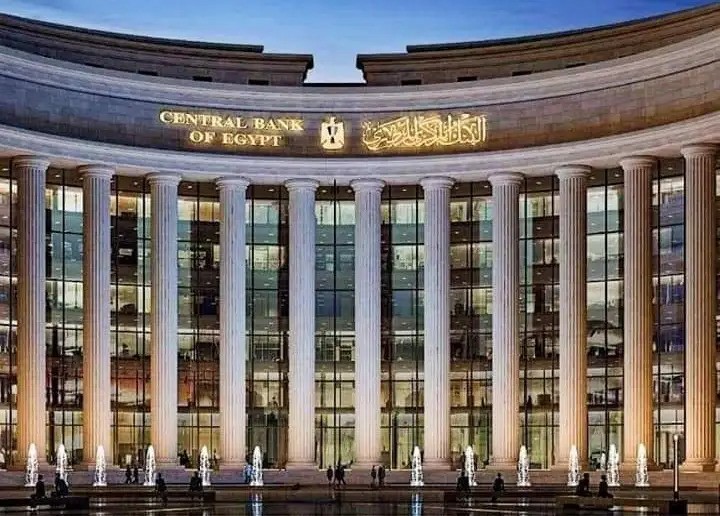
The Central Bank of Egypt has kept interest rates unchanged at its second monetary policy meeting of 2026, in line with market expectations, as policymakers navigate mounting inflation risks both domestically and globally.
The bank’s Monetary Policy Committee decided on Thursday to maintain the overnight deposit rate at 19 percent, the lending rate at 20 percent, and the main operation rate at 19.5 percent, signaling a cautious stance in the face of growing economic uncertainty.
The decision comes after an aggressive easing cycle that began in April 2025, during which the central bank cut rates by a total of 825 basis points over six consecutive meetings, the first such easing phase in more than four years.
Despite that shift, inflationary pressures have re-emerged, prompting policymakers to pause. Egypt is bracing for a new wave of inflation driven by both local and external factors. Recent increases in fuel prices ranging between 14 and 30 percent, along with higher transportation costs, including railway tickets and metro fares, are expected to feed into broader price levels.
External risks are also intensifying, particularly amid escalating geopolitical tensions linked to the ongoing conflict involving the United States, Israel, and Iran, which has contributed to volatility in global energy markets.
Analysts say the central bank’s decision reflects a deliberate effort to contain inflation while preserving macroeconomic stability. A survey of investment banks had widely anticipated the move, citing uncertainty in the global economic outlook and persistent price pressures.
According to Mohamed Abu Basha of EFG Hermes, the decision to hold rates steady was influenced by continued uncertainty surrounding geopolitical developments, rising global energy prices, and the weakening of the Egyptian currency.
Inflation had already been trending upward prior to the latest energy price hikes. Official data from CAPMAS showed annual urban inflation rising to 13.4 percent in February, up from 11.9 percent in January.
At the same time, the Egyptian pound has come under significant pressure. During the first month of the conflict, the currency lost around 14 percent of its value, falling to near-record lows of approximately 55 pounds to the US dollar.
The depreciation has been driven in part by capital outflows, with more than $5 billion in foreign portfolio investments reportedly exiting Egypt’s local debt market. Higher import financing costs have also added to the strain on the currency.
Some analysts argue that maintaining high interest rates is necessary to retain foreign investor interest. Hany Genena of Ahli Pharos noted that expectations of inflation rising to between 13 and 14 percent following fuel price increases made it essential for the central bank to keep rates elevated.
In response to investor demand, the Finance Ministry has also raised yields on local treasury bills in recent weeks, reflecting higher risk premiums and the government’s need to finance the budget deficit.
There have been tentative signs of stabilization in capital flows. Market participants reported a pause in foreign selling and a return to buying Egyptian treasury bills, attracted by the combination of a weakened currency and high yields, which enhances potential returns.
Following the latest decision, Egypt’s real interest rate calculated as the nominal deposit rate minus inflation, stands at approximately 5.6 percent, remaining among the highest in emerging markets.
The central bank continues to target a gradual decline in inflation, aiming to bring the average rate to between 5 and 9 percent by the fourth quarter of 2026, and further down to between 3 and 7 percent by the end of 2028.
